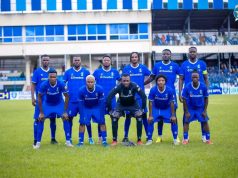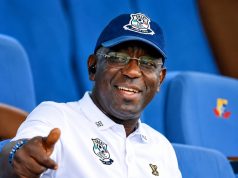

Chairman of the National Sports Commission (NSC), Mallam Shehu Dikko, has reaffirmed the Federal Government’s commitment to overhauling Nigeria’s domestic football structure, insisting comprehensive reforms are already underway to transform the Nigeria Premier Football League (NPFL) into a commercially viable sports industry.
Dikko made the declaration as discussions continue over the Commission’s ambitious plans to reposition the domestic league through improved governance, better player welfare, increased private-sector investment and stronger commercial structures.
Read Also: The Impact of Sport on Nigeria’s Society and Economy | Sports247 Nigeria
The former League Management Company (LMC) chairman stressed that the reforms form part of the NSC’s broader mandate to build a sustainable sports economy capable of creating jobs, attracting investment and boosting Nigeria’s football ecosystem.
“We have a responsibility to ensure that Nigerian sports develop in the right direction. The plans to reposition the league are already in motion because we want a league that meets the standards of a modern sports economy,” Dikko said.
Drawing from his experience as LMC Chairman between 2013 and 2022, Dikko said the reforms are aimed at creating a league that is financially sustainable, commercially attractive and capable of competing with the best on the continent. He added that improving governance, infrastructure, club administration and player welfare remains central to the Commission’s long-term vision.
“This is a long-term project. The objective is to build a stronger, more sustainable league that will contribute meaningfully to Nigeria’s economy and football development,” he added.
The proposed reforms have received backing from the Nigeria Football Federation (NFF) and several key stakeholders, with the Commission maintaining that collaboration between government, football administrators and the private sector will be central to achieving its objectives.
The NSC is expected to continue consultations with stakeholders in the coming months as plans progress to implement the next phase of reforms aimed at repositioning Nigerian domestic football.