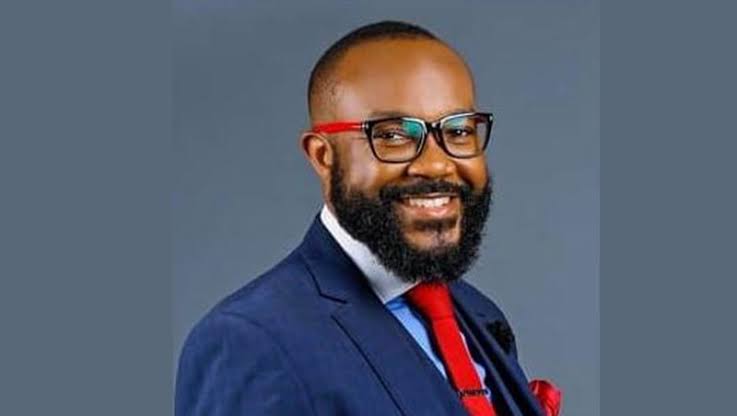
Commonwealth Fencing Federation President Adeyinka Samuel believes Nigeria’s growing success in fencing is beginning to attract high-level athletes from abroad, describing the decision by top fencers to switch allegiance to Nigeria as evidence that the country’s programme is gaining international recognition.
Samuel’s comments come after a landmark Commonwealth Fencing Championships in Lagos, where Nigeria produced its strongest showing at the competition and finished among the leading nations.
The six-day championships, staged from August 9 to 14 at Rugby School Nigeria, were the first senior Commonwealth Fencing Championships to be held on African soil and attracted athletes from 20 nations.
Nigeria’s performance was highlighted by a historic gold medal from 17-year-old Oghenegaren Osievwa-Thompson, who became the first Nigerian to win an international gold medal in fencing. The host nation also collected multiple silver and bronze medals across the competition.
For Samuel, the growing interest from elite athletes choosing to represent Nigeria is another indication that the federation’s long-term investment in the sport is beginning to produce results.
He pointed to young fencers such as Garen, a British Championship silver medallist, as an example of the quality of athlete now seeing Nigeria as a serious option for international representation.
The federation president believes such decisions represent more than individual switches of allegiance.
They are, in his view, a reflection of increasing confidence in Nigeria’s ability to develop competitive fencers and provide them with opportunities to compete at major international events.
That confidence was reinforced in Lagos, where Nigeria’s performances demonstrated that the country is capable of competing against established fencing nations.
Samuel himself added a remarkable personal chapter to the championships, returning to competitive action after 13 years and winning silver in the men’s veteran sabre. He described finally winning a Commonwealth medal as “a joy I will cherish for a long time.”
The administrator also praised Nigeria’s younger athletes, saying their performances demonstrated that fencing deserves greater attention and investment in the country.
The successful championships have consequently given Nigeria’s fencing programme an important platform from which to build.
With more talented athletes expressing interest in representing the country and young Nigerian fencers beginning to make their mark internationally, Samuel believes the sport is moving in the right direction.
The challenge now is to sustain that momentum through stronger grassroots programmes, international competition, coaching and investment.
For Samuel, however, the message from Lagos is already clear: Nigeria is no longer simply participating in international fencing, it is increasingly becoming a destination for athletes who believe they can build their future with the country.