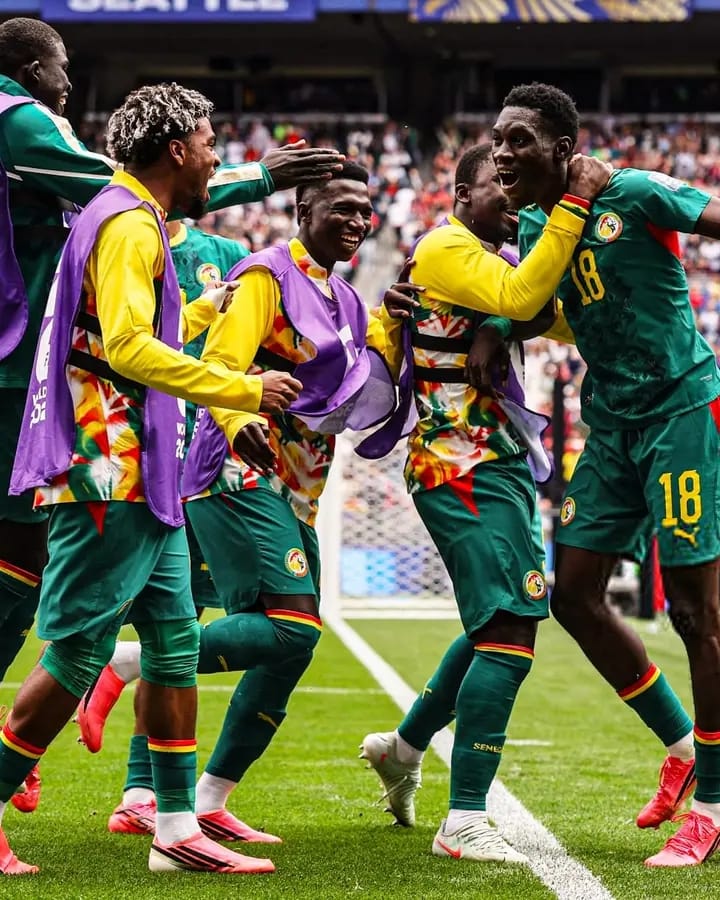
The 2026 FIFA World Cup has once again produced heartbreaking moments for African football. Four representatives from the continent have suffered late collapses against European opposition, raising fresh concerns about the ability of African teams to manage crucial moments on football’s biggest stage.
Ivory Coast conceded in the 87th minute, DR Congo surrendered their advantage in the 86th minute, Senegal also let in a late goal in the 86th minute, while South Africa’s hopes were dashed by a stoppage-time strike in the 90+2nd minute.
Speaking exclusively with Sports247, sports analyst Anthony Sunday Samuel said the recurring pattern goes beyond talent and points to deeper issues involving mentality, game management, and tactical discipline.
“The problem is not a lack of quality,” Samuel said. “African players have shown repeatedly that they can compete with the best teams in the world. The issue is maintaining concentration and managing games effectively when the pressure is highest.”
According to the analyst, many African sides struggle to control matches in the closing stages, often allowing opponents back into games through lapses in concentration, poor decision-making, and an inability to slow the tempo when protecting a lead.
“At the World Cup, experience and mental strength are just as important as technical ability. European teams have mastered the art of seeing out games, while African teams sometimes lose their organisation in crucial moments,” he explained.
Samuel also addressed concerns among supporters regarding officiating, noting that several controversial decisions have fuelled frustration across the continent. The referee who officiated Senegal’s match against Belgium, for instance, had earlier been criticised for his performance in Ghana’s game during the tournament.
While stopping short of blaming referees entirely for Africa’s disappointments, Samuel insisted that football’s fine margins often determine outcomes at the highest level.
“As painful as these defeats are, they should serve as lessons. African football has the quality, talent, and athleticism to challenge any nation in the world. What is needed now is improved game management, stronger mental conditioning, and greater tactical discipline.”
He concluded with a message of optimism: “It’s time for African teams to start finishing the job and turning these painful moments into historic victories.”
The latest setbacks may have extended Africa’s long wait for a World Cup breakthrough, but they have also reinforced the belief that the continent’s finest moments on the global stage are still within reach.