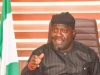

Former Minister of Sports Solomon Dalung has called for a complete overhaul of Nigerian football following the resignation of the Nigeria Football Federation leadership, insisting that the country must be prepared to take drastic measures if that is what it will take to cleanse the system.
Dalung said the resignation of former NFF president Ibrahim Musa Gusau and members of his Executive Committee should not be allowed to end with another election that simply reproduces the same structure and problems.
“The state FA chairmen should also step aside,” Dalung said.
“We need a total overhaul of Nigerian football.”
The former Sports Minister argued that Nigeria has reached a point where fundamental restructuring is more important than concerns about a possible sanction from world football governing body FIFA.
“The tearing down has to happen, not minding a sanction or ban from FIFA,” Dalung said.
His position represents one of the most radical proposals to emerge from the growing debate over the future of Nigerian football, with several former internationals and administrators calling for changes to the NFF structure following the mass resignation of the federation’s leadership.
Dalung believes Nigeria should be prepared to temporarily withdraw from international football if necessary and use the period to conduct a comprehensive cleansing of the domestic system.
“We should apply for an exemption from international football and use the time and opportunity to do a thorough cleansing of the nation’s football,” he said.
The former minister’s comments come after Gusau resigned as NFF president alongside General Secretary Mohammed Sanusi and members of the Executive Committee.
Gusau announced his decision at a World Press Conference in Abuja, saying his resignation was intended to create room for a “comprehensive and orderly reform process” aimed at addressing the institutional, governance and developmental challenges confronting Nigerian football.
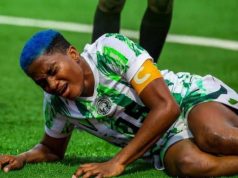
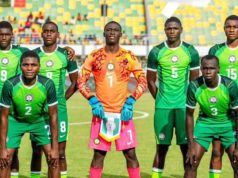
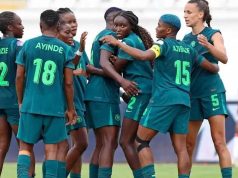
His departure followed intense criticism of the NFF after the Super Eagles failed to qualify for the 2026 FIFA World Cup and the Super Falcons suffered the historic disappointment of missing the 2027 Women’s World Cup.
But Dalung believes the problems exposed by those failures are much deeper than the performances of the national teams.
He wants the entire football administration structure examined, including the powerful state football associations that form a major part of the NFF Congress and electoral system.
According to the former minister, leaving the state FA chairmen in place while replacing the NFF Executive Committee could allow the same system to reproduce itself.
His argument is that the country needs to start again with a clean slate.
Dalung’s proposal comes amid a broader reform process being coordinated by the National Sports Commission.
NSC Chairman Shehu Dikko has said that the time has come for “a new look” in the way football is administered in Nigeria, while the Federal Government has directed the sports commission to work with football stakeholders and the relevant international bodies on comprehensive reforms.
However, FIFA regulations traditionally require member associations to manage their affairs independently, meaning any government intervention perceived as undue interference could potentially trigger serious consequences.
Dalung nevertheless believes Nigeria should not allow the fear of FIFA sanctions to prevent it from confronting what he considers fundamental problems within its football administration.
For him, the priority should be rebuilding the system properly rather than protecting an arrangement that he believes has failed Nigerian football.
The former minister wants the reform process to examine the NFF statutes, electoral structure, stakeholder representation, grassroots development and the management of the domestic leagues.
He also believes there should be greater accountability among those who have occupied football leadership positions.
Dalung’s position echoes calls from several stakeholders for a broader reset, although others have warned that any reform must be carefully conducted within FIFA and CAF regulations to prevent Nigeria from being suspended from international football.
The debate therefore presents Nigerian football with a difficult choice: pursue aggressive structural changes and risk a confrontation with international football authorities, or work within the existing framework to gradually reform the system.
For Dalung, the country has already reached the point where bold decisions are unavoidable.
“We need a total overhaul.”
And if that means stepping away from international football temporarily to rebuild Nigerian football from the foundation, the former Sports Minister believes Nigeria should be willing to take the risk rather than continue with a system he says has failed for too long.