Retired General Omatseye Nesiama has called for compulsory National Athletics Referee (NAR) certification for officials, stressing the need to raise technical standards in Nigeria’s athletics system.
Africa’s athletics circuit has surged into global prominence in recent weeks, delivering elite competition, technical precision, and growing international appeal.
Read Also: Joshua, Fury Agree Blockbuster Heavyweight Clash as Hearn Confirms Deal | Sports247 Nigeria
However, Nigeria continues to lag behind these emerging standards.
From the vibrant tracks in Addis Ababa to the electrifying atmosphere at Nyayo Stadium in Nairobi during the Kip Keino Classic, and onward to Gaborone for another Grand Prix, the continent has hosted high-calibre meets attracting top athletes from the United States, Europe, and Africa.
The season had earlier gained momentum with the Lefika International Relays, setting the tone for what is now seen as a vibrant African athletics resurgence.
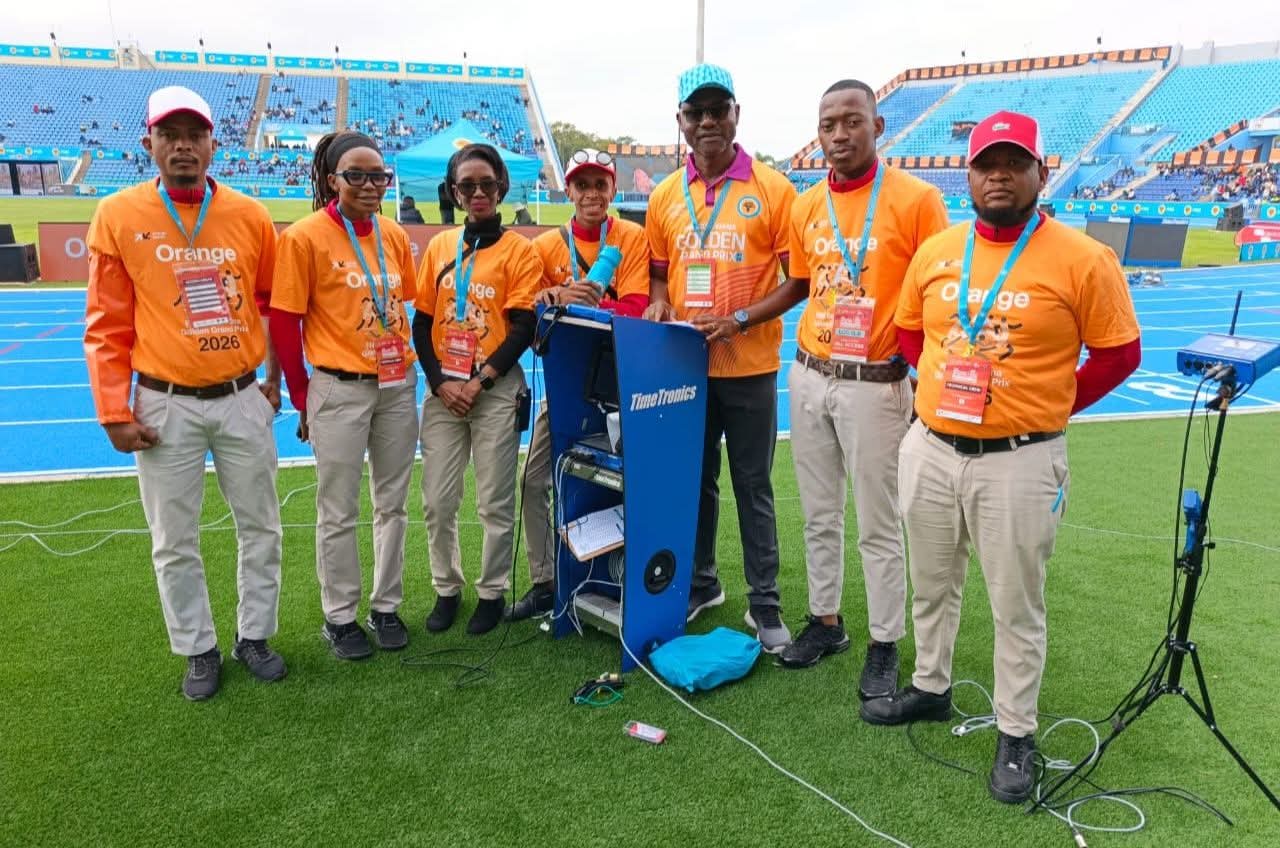
Beyond performances on the track, the technical organisation of these events has stood out. Competitions have been executed with precision, meeting global standards and earning praise from World Athletics officials.
Nesiama highlighted this contrast, noting that organisers across these meets demonstrated discipline and professionalism by strictly adhering to broadcast schedules and deploying only certified officials.
He emphasised that officials must possess World Athletics-approved NAR certification, describing it as a non-negotiable benchmark for credibility in modern athletics.
Drawing a comparison with Nigeria, Nesiama expressed concern over the continued use of unqualified officials in major competitions.
“In most cases, we run high-level competitions with unqualified officials. It is shameful,” he said, warning that such lapses cost Nigeria opportunities to host major global events.
His remarks reflect growing concern among stakeholders who fear Nigeria risks falling behind despite its rich pool of athletic talent.
Analysts argue that while Nigerian athletes continue to excel individually, the domestic system remains weak, particularly in technical administration and coaching standards.
Amid these concerns, the National Sports Commission has received praise for renewed efforts to reposition the country’s sports sector.
Under the leadership of Shehu Dikko and Bukola Olopade, the Commission has improved funding structures, enhanced athlete welfare, and strengthened camping programmes across federations.
Their efforts have injected renewed energy into the sector, but stakeholders insist that funding alone will not sustain long-term progress.
They are calling for a comprehensive overhaul of the technical arms of sports federations, including strict enforcement of certification standards, removal of unqualified officials, and alignment with global best practices.
Stakeholders warn that without competent technical leadership, Nigeria’s athletes may struggle to reach their full potential, while the country risks remaining on the margins of global hosting rights and influence.
As Africa continues to demonstrate what is possible, attention now turns to whether Nigeria can match that standard—not only in ambition, but in execution.







 certification for officials, stressing)