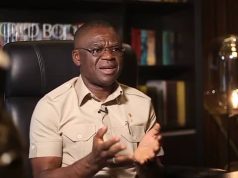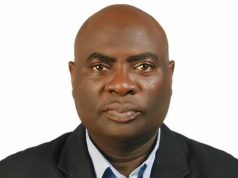
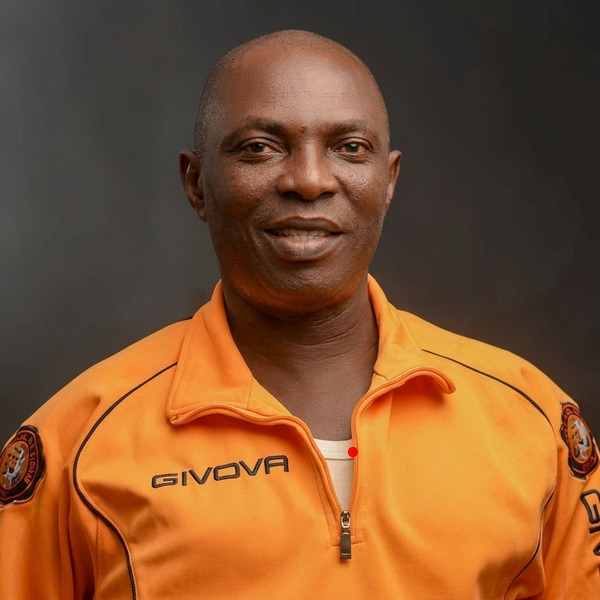
Former Super Eagles midfielder Edema Fuludu has warned that Nigerian football cannot recover through cosmetic changes, insisting those entrusted with reforming the game must first honestly identify what has gone wrong before attempting to rebuild it.
Fuludu believes the current crisis presents Nigeria with an opportunity to address longstanding structural problems but cautioned against expecting the process to produce an instant turnaround.
Speaking as discussions continue over the future structure and leadership of the Nigeria Football Federation, the 1994 Africa Cup of Nations winner stressed that understanding past mistakes must form the foundation of whatever reforms eventually emerge.
“We have to understand what went wrong,” Fuludu said. “You cannot solve a problem when you don’t properly understand what caused it.”
His position comes amid perhaps the most significant shake-up of Nigerian football administration in years.
President Bola Ahmed Tinubu has ordered comprehensive reforms aimed at strengthening governance, administration, stakeholder representation, development pathways, domestic competitions and accountability within Nigerian football.
The process follows the resignation of former NFF president Ibrahim Gusau, General Secretary Mohammed Sanusi and members of the federation’s Executive Committee, while the previously planned NFF elective process was suspended as authorities moved towards a broader restructuring.
For Fuludu, however, removing administrators alone will not solve problems that have developed over many years.
He wants those charged with charting the way forward to examine previous decisions, identify where Nigerian football lost its direction and use those lessons to establish a sustainable system.
“We have to look at the past, learn from what has happened and then know where we want to go. There must be a clear pathway.”
Fuludu’s position is consistent with that of the Professional Footballers Association of Nigeria (PFAN), where he serves as General Secretary.
PFAN has publicly backed the reform process but demanded that it be holistic and inclusive, arguing that current and former players must be adequately represented when decisions about the future of Nigerian football are taken.
The players’ body has also warned that restructuring must remain consistent with FIFA and CAF statutes, ensuring that efforts to correct domestic problems do not create another crisis with international football authorities.
Fuludu has been a long-standing critic of structural weaknesses in Nigerian football. Even before the present crisis, he argued that the problems extended beyond one NFF administration and involved government, administrators, players, coaches, referees, supporters and other stakeholders.
That history explains why he is reluctant to present the current reform programme as an overnight solution.
“It will take time. We cannot rebuild Nigerian football overnight.”
Nigeria’s recent failures have increased the urgency surrounding the process, particularly after the Super Eagles missed a second consecutive FIFA World Cup and the Super Falcons failed to qualify for the 2027 Women’s World Cup.
Fuludu believes the response must therefore go deeper than appointing another set of administrators and hoping for different results.
For the former international, Nigeria already knows football is in crisis. The bigger task now is having the courage to identify why it failed, learn from those failures and build a structure capable of preventing history from repeating itself.