
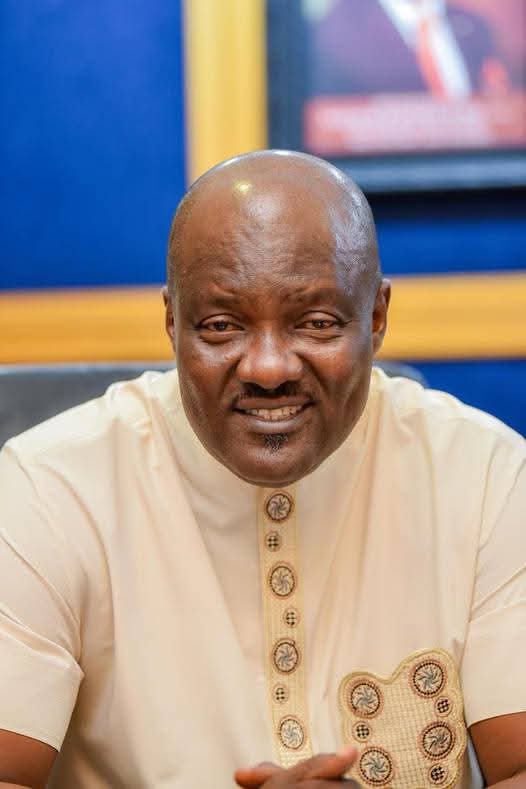
Former Chairman of the Nigeria Football Federation (NFF) Technical Committee, Barrister Christopher Green, has welcomed the National Sports Commission’s (NSC) ambitious plans to reform the Nigeria Premier Football League (NPFL) but has expressed reservations over the practicality of implementing some of the proposed measures.
Green described the reform agenda as a positive step for Nigerian football but questioned whether the proposed minimum salary structure for players could realistically be sustained by many clubs.
His comments come amid the NSC’s drive to professionalise the domestic league through improved club licensing, better player welfare, enhanced governance and increased commercial investment.
“The reforms are a welcome development because Nigerian football needs change, but implementation will be the biggest challenge,” Green said.
The former Rivers State Sports Commissioner argued that the financial realities facing many Nigerian clubs could make the proposed salary policy difficult to enforce, particularly as a large percentage of NPFL clubs are funded by state governments.
According to Green, many state governments already shoulder significant responsibilities across sectors such as education, healthcare and infrastructure, making it difficult to sustain higher financial commitments to football clubs without broader commercial reforms.
“Most of these clubs are government-owned, and the governments have many competing priorities. That’s why I believe the proposed salary structure will be difficult to implement unless the clubs become more financially independent,” he added.
Green, however, urged stakeholders not to abandon the reform process, stressing that improving the commercial value of the league remains essential if clubs are to generate enough revenue to support better player welfare and professional standards.
The National Sports Commission has continued consultations with the NFF, the NPFL and club owners as discussions over the proposed reforms progress, with implementation expected to be phased as stakeholders work towards building a more sustainable domestic football league.






 Technical Committee, Barrister Christopher Green, has welcomed)