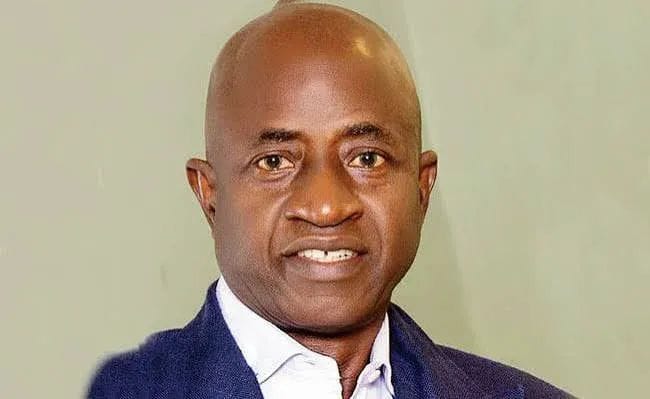
Former Nigeria international Segun Odegbami has warned that Nigerian football risks sinking deeper into crisis unless fundamental changes are made to the way the game is administered, insisting that the country can no longer afford to delay reform.
Odegbami, one of the most celebrated figures in Nigerian football history, said his prescription for fixing the country’s football problems does not necessarily guarantee an immediate return to the glory days, but believes refusing to make the necessary changes will only make the situation worse.
“My prescription does not necessarily mean everything will revert to normal,” Odegbami said.
“But if these changes don’t occur, things are only going to get worse.”
The former Super Eagles captain believes the country has reached a point where changing the existing system is no longer a matter for debate but an urgent necessity.
“The changes to the system have to happen right now,” he said.
“And it has to be done properly.”
Odegbami’s intervention comes amid growing calls from former internationals, administrators and other football stakeholders for major reforms in the administration of Nigerian football.
The pressure has intensified following Nigeria’s failure to qualify for the 2026 FIFA World Cup, the second consecutive edition of the tournament the Super Eagles have missed, while the Super Falcons have also suffered the disappointment of missing the 2027 Women’s World Cup.
For Odegbami, however, the problem goes far beyond individual failures on the pitch.
The former Shooting Stars star believes Nigeria must confront the structural weaknesses that have affected the development and administration of the game over many years.
He wants reforms to be properly planned and implemented rather than introduced as temporary responses to another disappointing result.
“If we want to return as the dominant force that we are supposed to be in world football, we must change the system,” Odegbami said.
The 74-year-old football icon is widely regarded as one of the greatest players in Nigerian history. He was a key member of the Nigeria team that won the country’s first Africa Cup of Nations title in 1980 and remains one of the most influential voices in discussions about the development of Nigerian football.
Odegbami has for years advocated stronger football structures, better development programmes and greater accountability within the administration of the sport.
His latest comments therefore come at a time when the debate over the future direction of Nigerian football has reached a new level, with the NFF leadership facing increasing scrutiny and stakeholders calling for a complete rethink of the system.
The former Super Eagles captain believes Nigeria still possesses the talent, football culture and potential to return to the top of African football.
But he insists that potential will remain unrealised if the same structures and methods continue.
“It has to be done now, and it has to be done properly,” Odegbami stressed.
For the Nigerian football legend, the choice facing the country is becoming increasingly clear: make the difficult changes required to rebuild the system or risk watching the decline continue.
And Odegbami fears that without urgent action, Nigeria’s football problems will only get worse.