Chairman of the National Sports Commission, Mallam Shehu Dikko, said FIFA has endorsed Nigeria’s proposed football administration reform and accepted the resignation of the previous Nigeria Football Federation board, while stressing the need for the country to follow due process throughout the process.
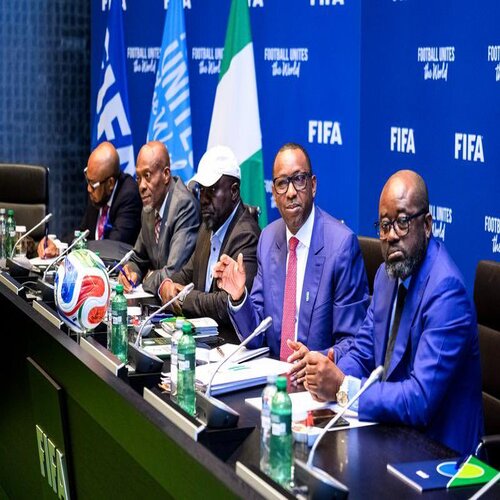
Dikko made the disclosure after leading the Nigerian delegation on a working visit to FIFA headquarters in Zurich, Switzerland, where the country’s football crisis and the proposed comprehensive reform programme were discussed with the world football governing body.
According to the NSC chairman, FIFA acknowledged that the Nigerian government remains a major stakeholder in the development of sports and football, particularly given its responsibilities in areas such as funding, infrastructure and security.
However, he said FIFA also made it clear that the reform process must be conducted within the framework of the organisation’s statutes, regulations and established procedures.
“FIFA has endorsed the reform process and has also acknowledged that government is a major stakeholder in sports. However, the process has to follow due process in line with the already established FIFA rules.”
Dikko said the Zurich meeting has now opened the door for Nigeria to move into the next phase of the reform process, with consultations with relevant stakeholders already underway.
“We have started consultations with the various stakeholders as part of the comprehensive reform process. We want to ensure that we get this right and build a football administration that will serve the interest of Nigerian football.”
The latest development follows the mass resignation of former NFF President Ibrahim Gusau, General Secretary Mohammed Sanusi and members of the federation’s Executive Committee, which triggered the current transition and reform discussions.
FIFA subsequently agreed to continue working with the Nigerian government, the NFF administration and the Confederation of African Football on a roadmap for the reforms.
The Zurich meeting brought together senior officials from Nigeria, FIFA and CAF, including NSC Director-General Bukola Olopade, Acting NFF General Secretary Dr Emmanuel Ikpeme, NFF Director of Legal Services Okey Obi, former NFF president Amaju Pinnick, CAF Second Vice-President Kurt Okraku and FIFA Director of Member Associations for Africa Gelson Fernandes.
Dikko’s latest comments indicate that the government is now moving beyond the immediate leadership crisis and towards a broader restructuring of Nigerian football.
The proposed reform is expected to address the administration and governance of the NFF, with discussions also expected to cover the structures required to create a more stable, inclusive and effective football system.
FIFA President Gianni Infantino had also expressed the organisation’s readiness to work with Nigerian authorities on reforms aimed at strengthening the country’s football structures and creating more opportunities for young players.
Dikko, however, has emphasised that the process must not be rushed at the expense of legality and proper consultation.
The chairman said the ongoing engagement with FIFA, CAF and Nigerian football stakeholders is aimed at producing reforms that will have both immediate and long-term benefits for the country’s football.
“The objective is to ensure that Nigerian football emerges from this process much better structured, stable and capable of delivering the success that Nigerians expect.”
The development marks another important step in Nigeria’s attempt to reset its football administration following months of growing concerns over the direction of the game.
With stakeholder consultations now underway, attention will turn to how the reform proposals are translated into a practical roadmap and, ultimately, a new structure capable of restoring confidence in Nigerian football.
For the first time in the current crisis, the focus is moving beyond who will occupy the next NFF office and towards the bigger question.
What kind of football system should Nigeria build for the future?