
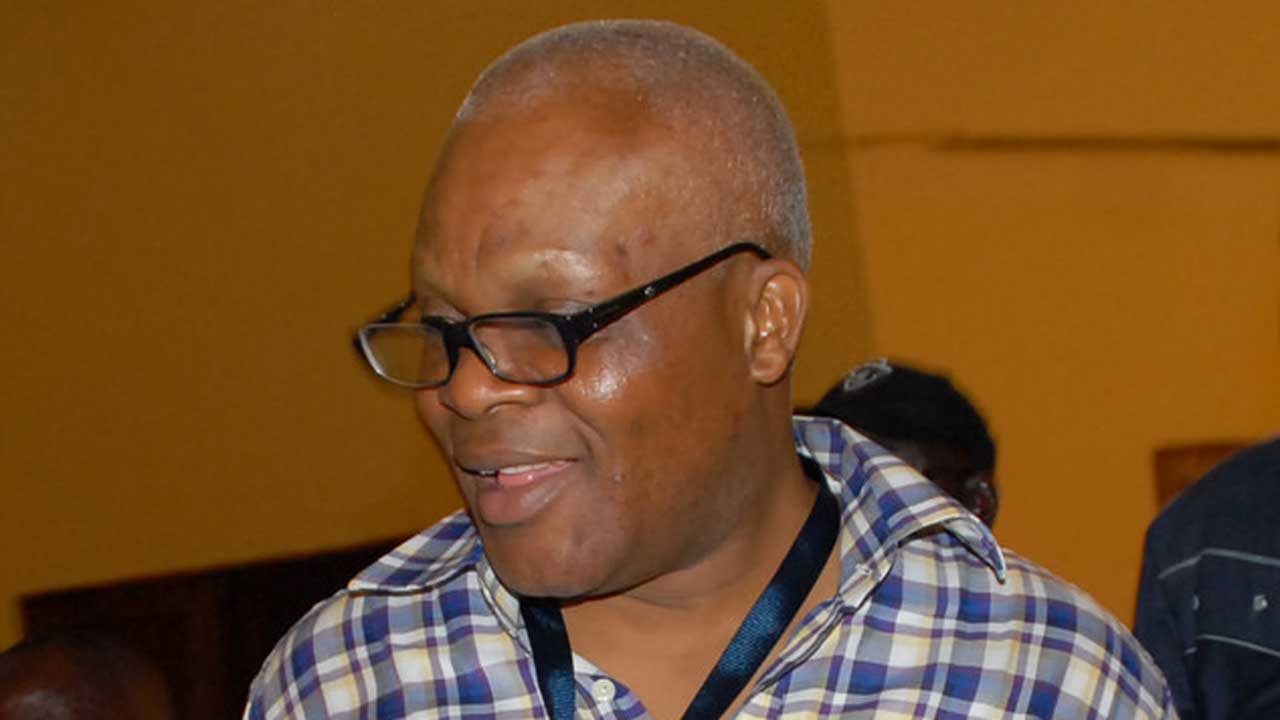
Former Nigeria Football Federation fact-finding committee chairman Ambassador Fanny Amun has called for fundamental reforms in Nigerian football, insisting that the latest crisis must force stakeholders to confront the structural weaknesses that have continued to hold the country’s football administration back.
Amun said the resignation of former NFF president Ibrahim Musa Gusau and members of his board should not be treated as the end of the matter, arguing that the country now has an opportunity to rebuild its football governance system on stronger foundations.
“We need fundamental reforms to rescue Nigerian football,” Amun said.
The former NFF secretary-general believes the recent setbacks suffered by Nigeria’s national teams should serve as a wake-up call for stakeholders to examine the deeper problems affecting football administration and development.
According to Amun, the country cannot continue to respond to every crisis by simply changing individuals in leadership positions while leaving the underlying system untouched.
“The recent setbacks should compel us to examine the structural challenges affecting football administration and development in the country,” he said.
Amun’s intervention comes after a turbulent period for Nigerian football, culminating in Gusau’s resignation after three years and eleven months in office.
Gusau announced his departure during a World Press Conference in Abuja, saying he was stepping aside to create room for a “comprehensive and orderly reform process” capable of addressing the institutional, governance and developmental challenges confronting Nigerian football.
The resignation came after the Super Eagles failed to qualify for the 2026 FIFA World Cup and the Super Falcons suffered the historic disappointment of missing the 2027 Women’s World Cup.
For Amun, those setbacks underline the need to look beyond the performance of individual national teams and examine the structures responsible for developing football in the country.
One area he wants addressed is the composition and operation of the NFF Congress.
Amun believes Congress members should be people with sufficient experience, credibility and knowledge of football to provide effective oversight of the federation.
“The NFF Congress should comprise credible and experienced personalities capable of providing effective oversight and constructive contributions,” he said.
The former international football administrator also proposed term limits for Congress members, arguing that allowing individuals to remain in the system for too long can undermine accountability and prevent new ideas from entering football administration.
“Congress members should serve a maximum of two terms,” Amun said.
He believes such a limit would encourage accountability, fresh thinking and responsible leadership while reducing the possibility of individuals becoming permanently entrenched within the football administration structure.
Amun is speaking from a position of considerable experience.
The former Super Eagles assistant coach and NFF secretary-general was recently appointed chairman of the NFF fact-finding committee established to investigate the problems surrounding Nigeria’s football and national teams.
The committee was expected to examine the factors behind the country’s recent failures and make recommendations for improving the administration and development of Nigerian football.
Amun subsequently resigned from the committee, citing concerns over the process and the need to protect the integrity and independence of the exercise.
His latest comments therefore carry particular weight as Nigeria enters a new phase following the resignation of the NFF leadership.
The National Sports Commission has already begun consultations with football stakeholders as part of a broader reform process, with NSC chairman Shehu Dikko insisting that Nigeria needs a “new look” in the way football is administered.
Amun believes the reform process must produce more than cosmetic changes.
He wants a governance structure capable of attracting credible administrators, encouraging younger people with fresh ideas and ensuring that those entrusted with running Nigerian football can be properly held accountable.
The former NFF official also believes Congress should be more than a body that meets to approve decisions.
It should provide meaningful oversight and constructive contributions to the development of the game.
His proposed two-term limit would therefore represent a significant change to the culture of football administration in Nigeria, where individuals can remain influential within the system for extended periods.
Amun argues that regular renewal of leadership would create room for new ideas while making administrators more conscious of their responsibilities to the wider football community.
As Nigerian football prepares for what could become one of its most important reform exercises in decades, Amun wants stakeholders to seize the moment.
The former fact-finding committee chairman believes the current crisis has exposed weaknesses that can no longer be ignored.
And his message is clear: Nigeria does not simply need new people in old positions — it needs a fundamentally better system, credible Congress members and term limits that can bring fresh ideas and accountability into football administration.