
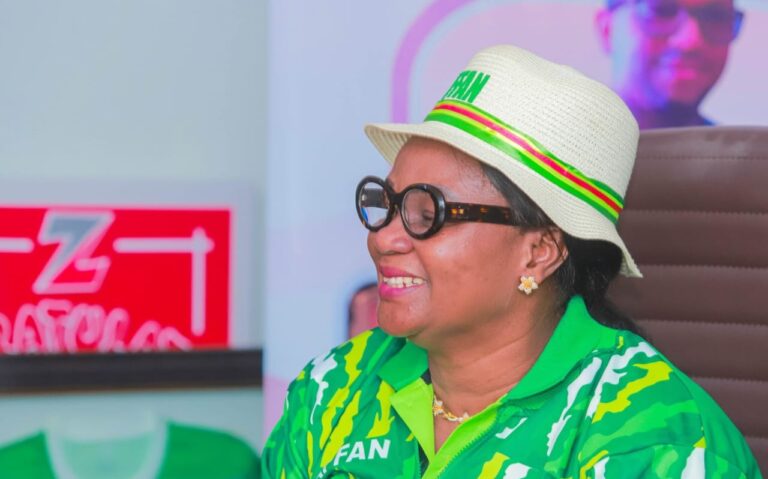
Highly-experienced sports administrator and former female volleyball national team star, Dr Toyin Aluko has affirmed the importance of women taking up advocacy roles in various aspects of human development in Nigeria, Sports247 reports.
READ ALSO Meet Ndifreke Benjamin: The SS1 Prodigy Charting Her Own Path in Nigerian Tennis
Aluko, who is also the pioneer president of Netball Federation of Nigeria, stated as much in her capacity as coordinator and resource person of the ongoing NOC-IOC Advanced Gender-Inclusive Governance Course in Abuja.
The high-level course, holding at the Association of National Olympic Committees of Africa (ANOCA), is focused on strengthening leadership capacity, advancing gender inclusion and equipping participants with administrative skills.
The programme, which brought together former athletes and women in sports from various walks of life across Nigeria, also aims to instil practical tools needed to drive effective and transformative governance within the country’s sports sector.
The course was officially declared open by the president of Nigerian Olympic Committee (NOC), Engineer Habu Ahmed Gumel, who stressed the importance of gender balance and progressive leadership in the nation’s sporting framework.
While emphasizing the responsibility of women in sports governance to inspire and mentor the next generation, Aluko stressed the critical role leaders of the female gender must play beyond the boardroom.
Aluko added, “Before their appointments, we made them understand the importance of impacting younger ones. It is our responsibility to discover, educate, and mentor them. We are role models, and we must reflect that in our actions.
“Now that women are on the boards of sports federations, it is important for them to take up advocacy roles. When they return to their various states, we expect them to replicate and implement what they have learned here.”
Sports247 further gathered that the course is designed to deepen governance capacity, promote inclusive leadership, and enhance institutional effectiveness within Nigeria’s sports ecosystem.
It also represents a significant step toward strengthening the role of women in administration and decision-making processes, as they work hard to embrace new approaches in sports governance across the country.