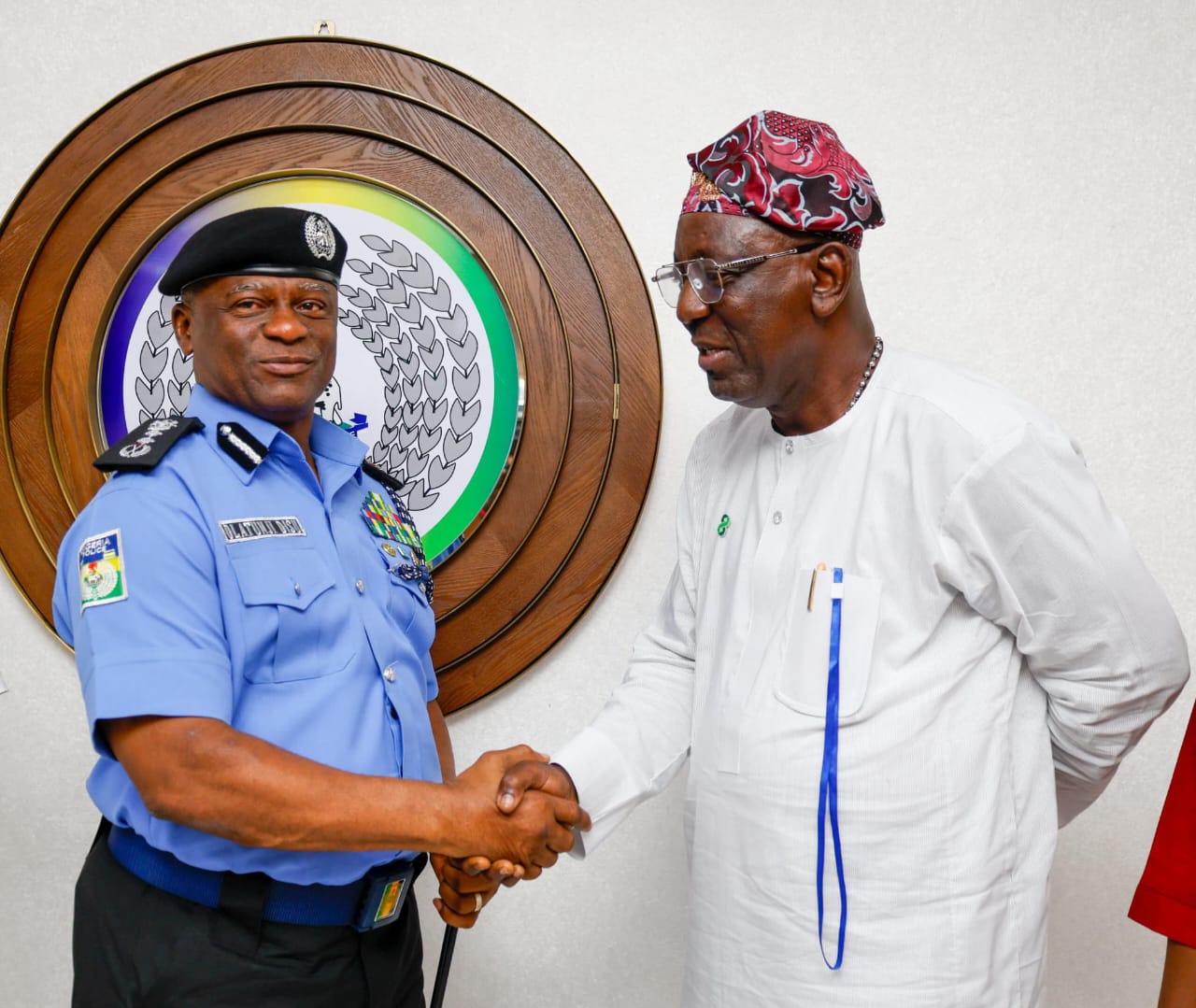
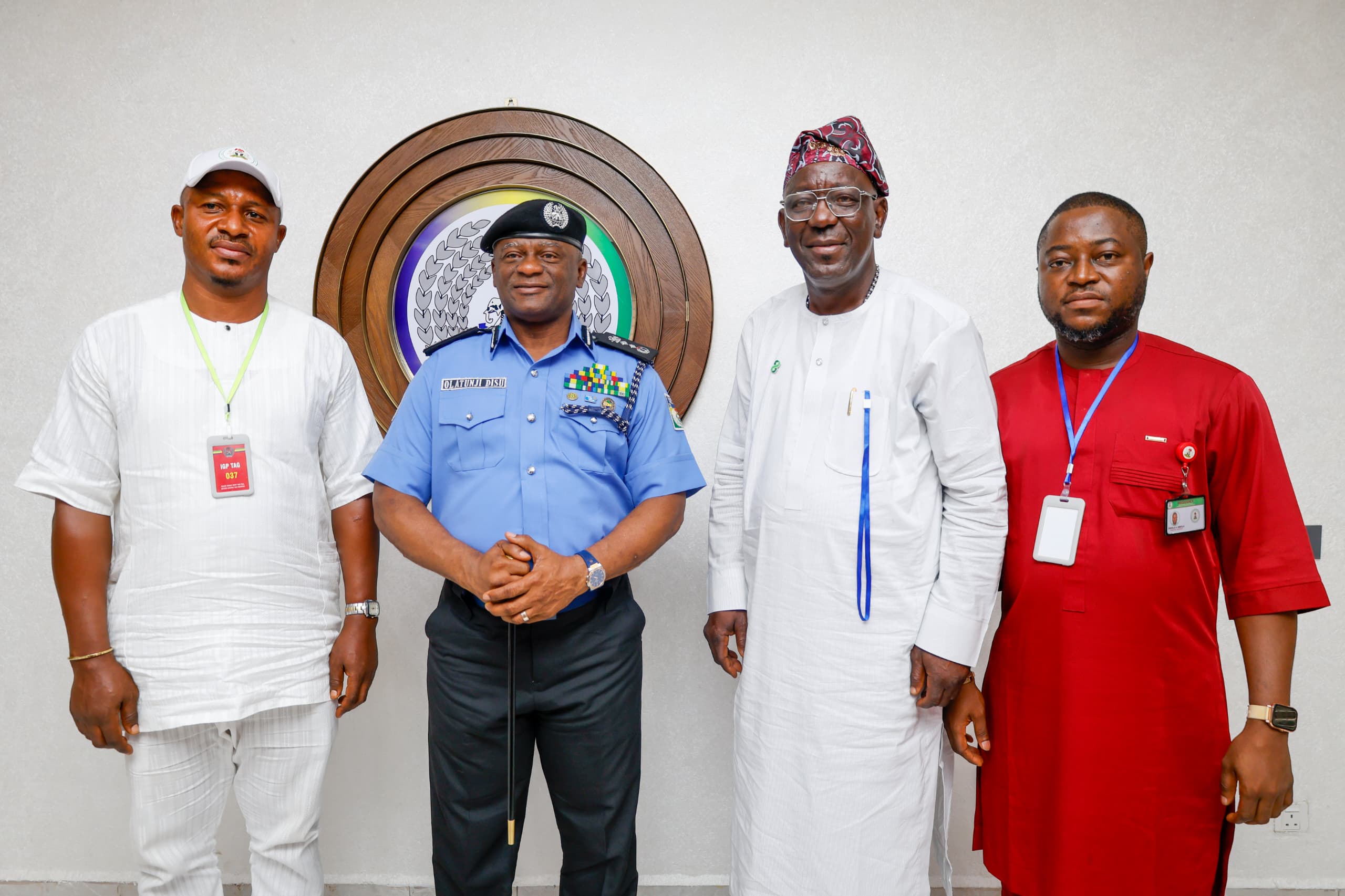
In a significant move aimed at strengthening youth engagement and community development through sports, the Senior Special Assistant to the President on Grassroots Sports Development, Hon. Adeyinka Anthony Adeboye, paid an official courtesy visit to the Inspector-General of Police, IGP Tunji Rilwan Disu, to explore strategic areas of collaboration between both offices.
The high-level meeting focused on leveraging sports as a powerful tool for youth empowerment, crime prevention, social reorientation, and national development.
Read Also: Portable Storms NNL Super Four Finale as Fans Stand to Win ₦1m in Ikenne Showdown
Speaking during the engagement, Adeboye emphasized that grassroots sports must go beyond recreation and become an active instrument for reducing crime and redirecting young people toward productive opportunities.
“Sports is one of the most effective ways to positively engage young people. When youths are actively involved in structured sporting activities, they are less vulnerable to crime, violence, and negative influences.”
The SSA highlighted the urgent need for stronger partnerships between sports institutions and security agencies in developing sustainable grassroots programmes capable of transforming communities.
“We need collaborative efforts that will create opportunities, discover talents, and rehabilitate vulnerable youths through sports. This is not just about football or athletics—it is about nation-building.”
Adeboye further noted that community-based sports initiatives can help foster discipline, unity, leadership, and social responsibility among young Nigerians.
“Sports teaches discipline, teamwork, and purpose. These are values that help shape responsible citizens and safer communities.”
In his remarks, IGP Tunji Rilwan Disu expressed strong support for the initiative, acknowledging the importance of preventive approaches to security through youth empowerment and social engagement.
The Police boss reaffirmed the commitment of the Nigeria Police Force to collaborating with relevant stakeholders in advancing programmes that promote peace, safety, and community development across the country.
Adeboye described the engagement as a major step toward building a coordinated framework between sports development and national security institutions.
“If we truly want safer communities, we must invest in our young people. Sports gives us that platform to engage, inspire, and redirect lives positively.”
The meeting concluded with both offices expressing optimism about future collaborations that will use grassroots sports as a catalyst for peace, empowerment, and social transformation.
As the SSA continues to push innovative approaches to youth development, the message from the meeting was clear—
sports is not just entertainment; it is a powerful tool for building safer and stronger communities.