
Former chairman of the Nigeria Football Federation Technical Committee, Barrister Chris Green, has called for a national football confab to confront the problems affecting Nigerian football and develop practical solutions for the sport’s future.
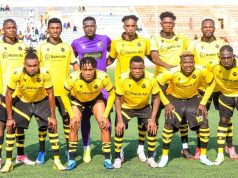
Green’s call comes amid renewed criticism of Nigerian football following the Super Falcons’ WAFCON quarter-final exit and the Flying Eagles’ 4-1 defeat to Burkina Faso in the WAFU-B U-20 Championship final.
The former NFF official believes the recent setbacks should not simply lead to another round of blame but should instead trigger an honest assessment of the state of Nigerian football.
“This is the moment to tell the truth about the true state of things in Nigerian football and work towards solving the problems,” Green said.
He called on the Nigeria Football Federation leadership to take the initiative by bringing together key stakeholders for a forum focused on ideas, reforms and practical solutions.
According to Green, Nigerian football has reached a point where stakeholders must openly identify the structural and administrative problems preventing the country from consistently achieving its potential.
The former technical committee chairman has previously criticised the lack of capacity and competence among some football administrators, arguing that Nigeria’s sporting development requires better-trained and more capable leadership.
Green believes a national confab would provide an opportunity for former players, coaches, administrators, government representatives, club owners, grassroots stakeholders and other football professionals to contribute ideas on how to rebuild the game.
Rather than concentrating solely on the latest disappointing results, he wants stakeholders to examine the deeper issues surrounding talent development, coaching, administration, infrastructure, funding, scouting and preparation of the national teams.
The former NFF official stressed that the current crisis should be treated as an opportunity to make meaningful changes rather than another temporary controversy that disappears once the next international competition begins.
For Green, the objective of such a gathering should be clear: identify the problems, agree on workable solutions and establish a framework capable of producing sustainable success for Nigerian football.
The recent failures of the national teams, he believes, should therefore serve as the catalyst for a serious national conversation about where Nigerian football is heading and what must be done to change its fortunes.