Nigeria is setting an ambitious two-year target to produce a World Grandmaster as the country’s chess federation moves to capitalise on a remarkable breakthrough on home soil.
READ ALSO: Dankwambo Targets Grassroots Chess Growth Across Nigeria
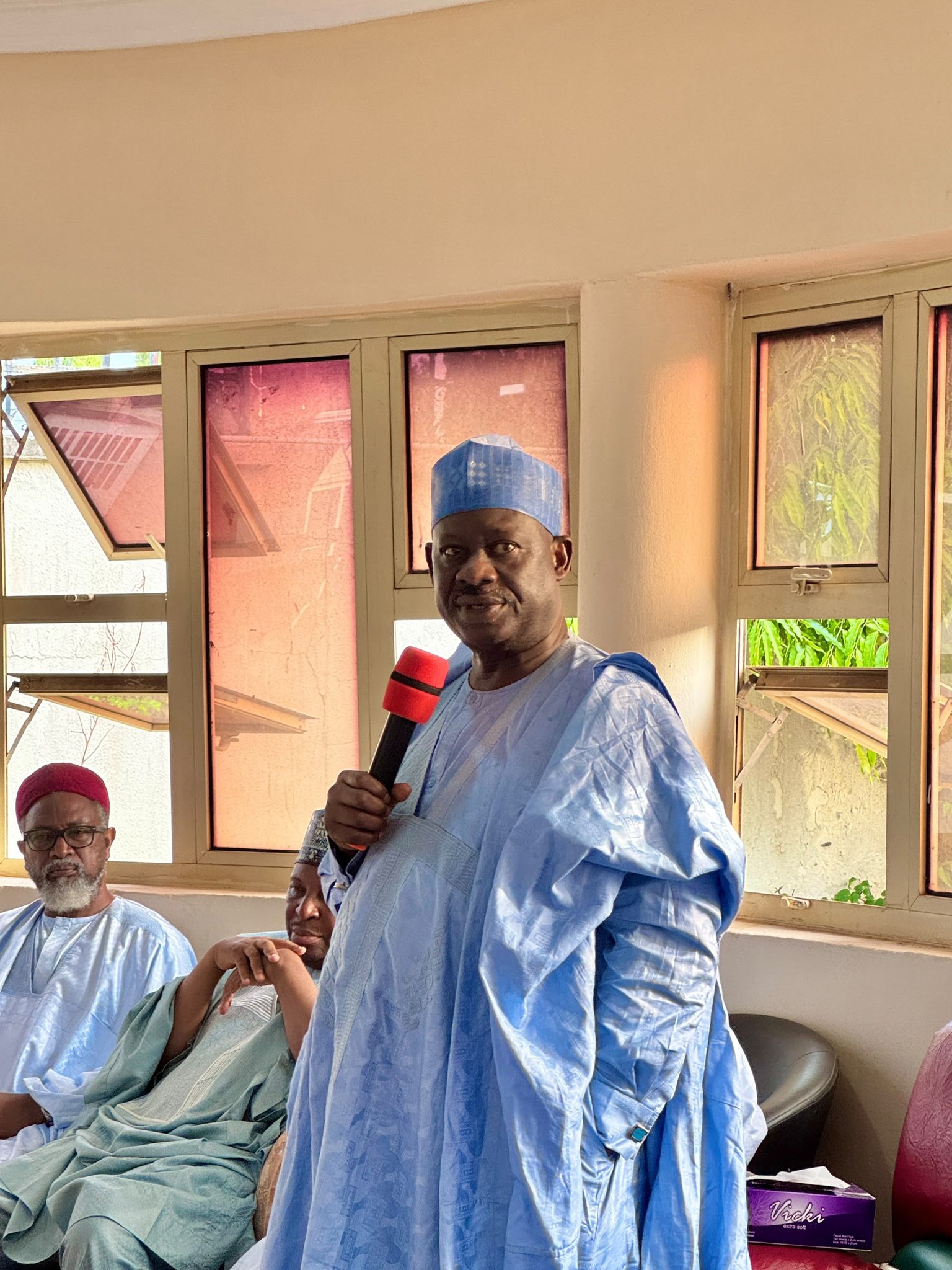
The Nigeria Chess Federation, led by President Ibrahim Hassan Dankwambo, is seeking to turn the growing pool of young Nigerian chess talent into players capable of competing for major international honours.
The ambition comes after Abuja successfully hosted the inaugural FIDE World Amateur Rapid and Blitz Chess Championships from August 1 to 8, the first time the prestigious competition was staged on African soil.
The tournament provided Nigeria with an extraordinary showcase, with 14-year-old Ekunke Odey Goodness winning the Open Rapid title after scoring nine points from 11 rounds.
His compatriots Eugene Unwana and Bomo Kigigha completed an historic all-Nigerian podium, finishing with the silver and bronze medals respectively.
For Dankwambo, the success demonstrates that Nigeria has the raw talent needed to challenge at the highest level, but the next step is developing that talent into sustained international success.
Speaking about the significance of Abuja 2026, the NCF president described the successful hosting of the championships as “a landmark achievement for Nigerian sport and a significant milestone in the advancement of chess in Africa.”
That ambition now extends beyond hosting international competitions.
The federation wants major events such as the Abuja championship to become platforms for identifying promising players, exposing them to international opposition and creating a pathway towards elite chess.
The emergence of Goodness has provided an early glimpse of what that strategy could produce.
At only 14, the Nigerian teenager defeated a strong field to become the first FIDE World Amateur Rapid champion, while the all-Nigerian podium highlighted the depth of talent currently available to the federation.
Dankwambo has also stressed the importance of stronger and more sustainable partnerships to widen access to chess and create clear development pathways for future champions.
“We are witnessing a rapid and positive transformation in Nigeria’s sports sector. Improvements in athlete welfare, discipline, innovation and strategic leadership are changing the narrative of Nigerian sports and creating new opportunities for our athletes,” Dankwambo said.
The federation’s challenge now is to build on the momentum.
Producing a Grandmaster requires far more than a single tournament victory. Players need sustained coaching, high-level competition, international exposure and a carefully structured development programme capable of taking promising youngsters from national success to the world elite.
But after Abuja, Nigeria has a compelling reason to believe the talent is there.
The country has already shown that its young players can dominate a world championship podium.
Now the Nigeria Chess Federation wants to take the next step, turning that breakthrough into a Grandmaster and putting Nigeria firmly on the global chess map.