
Nigerian basketball is once again staring into uncertainty — not because of results on the hardwood, but due to deepening governance concerns at the Nigeria Basketball Federation (NBBF).
READ ALSO: Salah Start in Doubt as Egypt Face Nigeria in Pre-AFCON Friendly
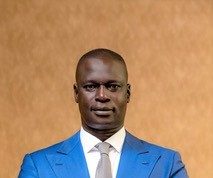
A strongly worded letter written by Musa Danjuma Goyo, Chairman of the Taraba State Basketball Association, has thrown a harsh spotlight on what stakeholders now describe as a creeping administrative breakdown within the federation.
Central to the controversy is the looming expiration of the current NBBF board’s tenure and the conspicuous absence of preparations for a new election.
Under the FIBA-approved NBBF Constitution, the tenure of the current board is scheduled to end on January 31, 2026. Conventionally, preparations for an Elective Congress — including the constitution of an electoral committee, release of a timetable, and presentation of audited accounts — should already be underway. Instead, stakeholders say the federation has gone quiet.
According to concerns raised in the letter, the NBBF has failed to hold an Annual General Meeting for four years, convene a valid board meeting in the last year, publish audited financial accounts, or announce any roadmap toward elections.
With barely months left on the constitutional clock, the vacuum has fuelled anxiety across the basketball community.
The situation is further complicated by the position of the current leadership under NBBF President, Engineer Ahmadu Musa Kida.
The board reportedly maintains that its tenure extends beyond January 2026, arguing that its official start date should be tied to a later inauguration by the Ministry of Sports.
However, critics counter that the same board assumed office immediately after the January 31, 2022 Elective Congress, operated fully under FIBA recognition, conducted meetings, issued official correspondence and represented Nigeria in international competitions without contest.
For many stakeholders, the contradiction is troubling.
“You cannot accept the constitution when it suits you and reject it when it doesn’t,” one official said, echoing sentiments widely shared across state associations.
The fears go beyond administrative disagreement. Nigerian basketball has a painful history of delayed elections spiralling into factional leadership, prolonged court cases and international embarrassment — episodes that previously attracted threats of FIBA sanctions and stalled the sport’s progress.
Administrators warn that repeating that cycle could be devastating. While governance disputes linger, grassroots development suffers, domestic competitions lose momentum and young players are left without clear pathways for growth. Years of rebuilding credibility, they say, could be undone in months.
Increasingly, voices within the sport insist the issue is no longer about individuals or ambition, but about process and institutional integrity. With the constitutional provisions unambiguous and the electoral timeline narrowing, stakeholders argue that failure to act now would amount to a deliberate disregard for the rules.
As the countdown to January 2026 continues, the message from the basketball community is growing louder: respect the constitution, commence the electoral process and safeguard the future of Nigerian basketball — or risk plunging the sport into another avoidable crisis.