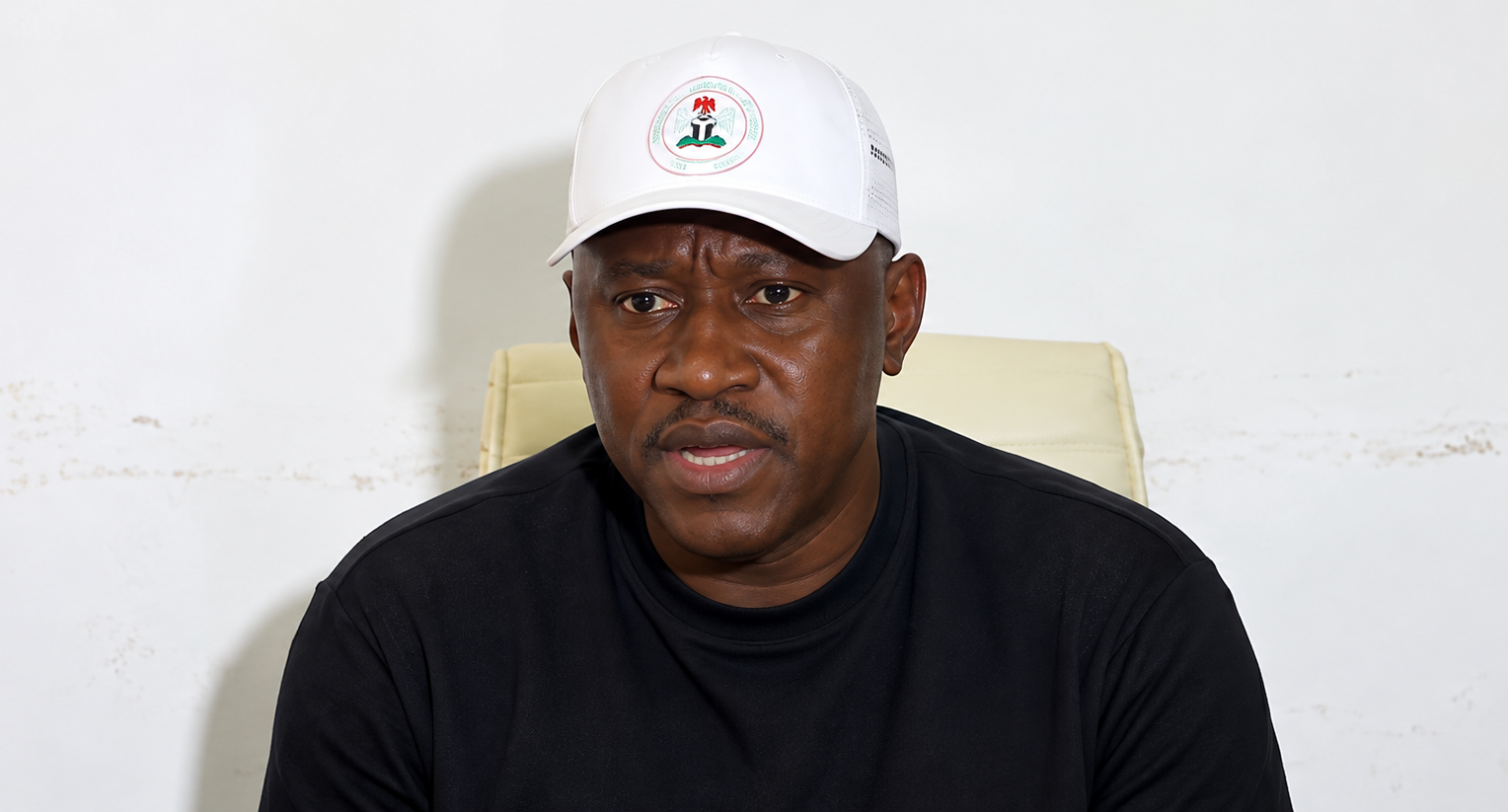
Former D’Tigers star Ejike Ugboaja has formally declared his intention to contest for the presidency of the Nigeria Basketball Federation, promising to rebuild the domestic game through longer competitions, grassroots development and greater stakeholder participation.
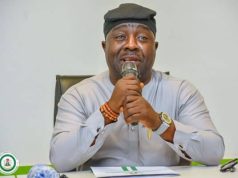
Ugboaja announced his ambition while addressing journalists in Abuja on Wednesday, saying his years as a player and subsequent involvement in basketball development had convinced him that significant structural changes were required.
“I have decided to come out and contest for the position of NBBF President. I have the will, the determination and, above all, the passion for this game,” Ugboaja said.
“I have passed through the system; I understand where the problems are, and I believe I understand what needs to be done to fix them.”
Ugboaja was selected 55th overall in the 2006 NBA Draft by the Cleveland Cavaliers, having developed through Nigeria’s domestic basketball system. He later represented D’Tigers at major competitions, including the 2012 London Olympics.
That background forms a central part of the programme he is presenting to stakeholders.
Ugboaja has criticised the short duration of domestic competitions, arguing that players require sustained competitive basketball to develop properly.
“We should have a league that lasts at least eight months,” he said, while outlining plans that would also strengthen basketball in secondary schools and universities.
He has additionally called for an open electoral process in which stakeholders receive adequate information and every eligible aspirant has an opportunity to participate.
“My position is simple: we need a fair election,” Ugboaja said. “All I am asking for is a fair election. Let everyone come out and compete.”
Some of his claims about alleged attempts to manipulate state-level structures remain allegations made by Ugboaja and have not been independently established.
For the former international, however, his campaign message extends beyond the election itself.
“Nigerian basketball belongs to all of us,” he said. “It cannot be the personal property of a few individuals.”