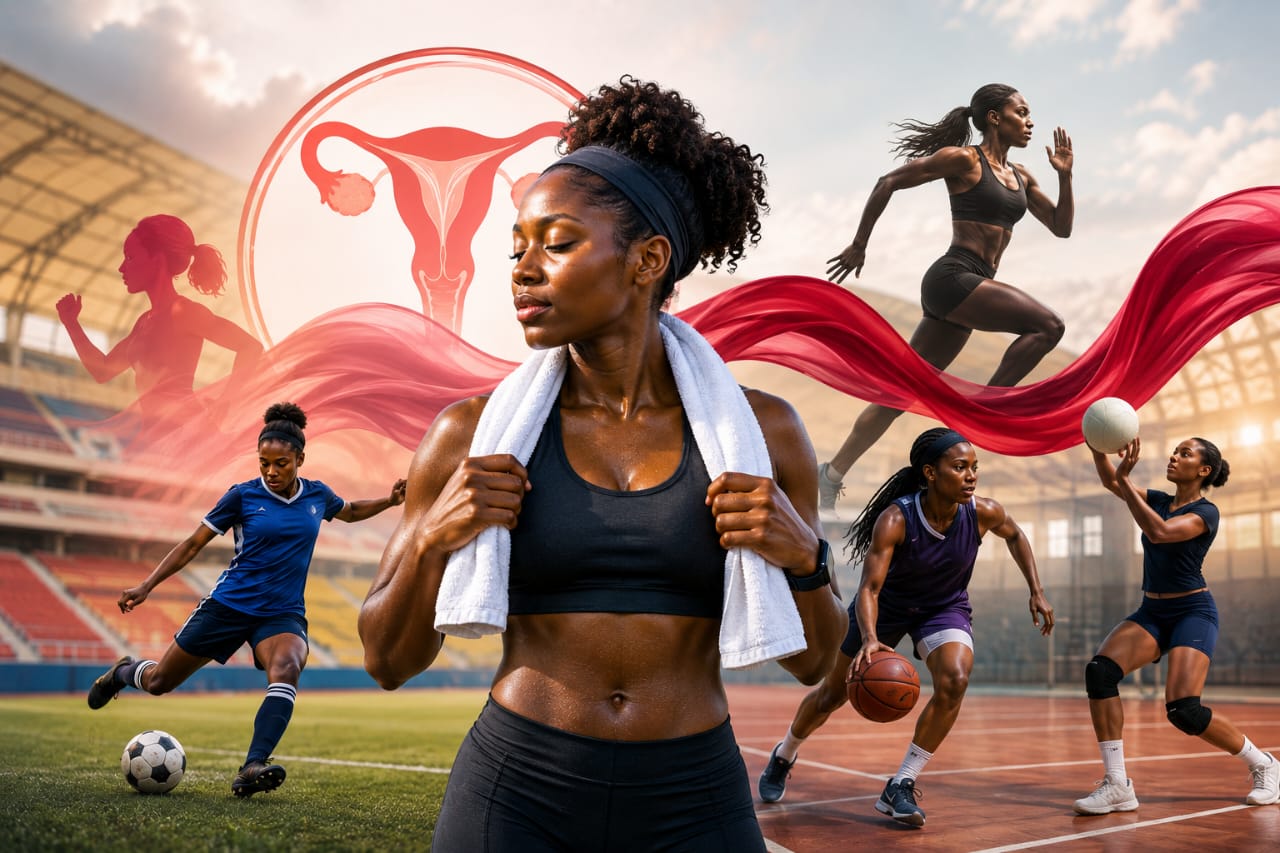
For every athlete, the body is the most important piece of equipment. We train it, strengthen it, fuel it and give it time to recover. For female athletes, understanding the menstrual cycle should be part of that same approach to sports health.
Menstruation is not a weakness. It is a normal biological process and an important part of women’s health.
Whether you are a footballer, runner, basketball player, volleyball player, swimmer, cyclist or simply someone who enjoys staying active, understanding your menstrual cycle can help you listen to your body and make better decisions about training, recovery and healthcare.
Your Period Is Part of Your Athlete Health
A menstrual cycle is more than just the few days of bleeding. It is a recurring hormonal process that can influence how a woman feels throughout the month.
Some athletes notice changes in energy, mood, appetite, cramps or comfort around their periods. Others notice very little change.
There is no single “normal athlete” experience.
The important thing is to know your own body and recognize changes that are unusual for you.
Do Not Let Your Period Sideline Your Game
Many girls and women have been taught to hide menstrual symptoms. In sports, this can become a serious problem.
An athlete may continue training while experiencing severe cramps, unusually heavy bleeding, dizziness or extreme fatigue because she does not want to appear weak.
But speaking up is not weakness.
A player who tells her coach that she is struggling with a health issue is taking responsibility for her performance and well-being.
Strong athletes know when to push—and when to seek help.
Menstruation and Athletic Performance
Periods do not automatically mean that an athlete has to stop exercising.
Many women can train and compete normally during menstruation. Physical activity can also be part of a healthy lifestyle, and WHO recommends regular physical activity across the lifespan.
However, symptoms matter.
Severe menstrual pain, heavy bleeding or fatigue can interfere with concentration, endurance, training quality and recovery.
If your period repeatedly affects your ability to train or compete, do not simply accept it as “part of being a woman.” Talk to a healthcare professional.
Heavy Bleeding Can Affect Performance
Heavy menstrual bleeding deserves particular attention in sport.
Repeated blood loss can contribute to iron deficiency and anemia. This can cause tiredness, weakness, headaches, dizziness and reduced exercise capacity.
ACOG recommends that adolescents with heavy menstrual bleeding be assessed for anemia and iron deficiency.
For an athlete, that matters.
You cannot expect maximum stamina from a body that is struggling with significant iron deficiency.
If your periods are unusually heavy, last more than seven days, or require you to change menstrual products very frequently, seek medical advice.
What About Painful Periods?
Mild discomfort can occur during menstruation, but severe or persistent pain should not simply be dismissed.
If menstrual pain regularly prevents you from training, attending school, competing or carrying out normal activities, speak with a healthcare professional.
Pain that repeatedly takes an athlete away from the field deserves attention.
Don’t train through a medical problem simply because you are afraid of being called weak.
When Periods Become Irregular or Disappear
This is particularly important in sports.
Very intense training combined with inadequate energy intake, significant weight loss or other health issues can affect menstrual function.
ACOG identifies irregular or missed periods, significant weight changes and reduced energy as warning signs in female athletes.
A missed period should not automatically be celebrated as a sign that training is working.
For an athlete, menstrual changes can sometimes be the body’s way of saying:
“Something needs attention.”
If periods become unusually irregular or disappear for several months, medical evaluation is important.
Eat Like an Athlete
Training requires fuel.
Female athletes need adequate energy and a balanced diet to support performance, recovery, growth and reproductive health.
Iron-rich foods are particularly important for women who experience heavy menstrual bleeding. Good sources include beans, meat, fish, leafy green vegetables and other iron-containing foods.
A sports diet should not be about eating as little as possible.
The goal is to fuel performance—not punish the body.
Coaches Have a Role Too
Coaches can make a major difference in how young female athletes understand menstruation.
A coach does not need to be a doctor. But coaches should create an environment where girls can safely say:
“I don’t feel well today.”
Menstrual health should not be a source of jokes, embarrassment or discrimination.
A supportive coach can encourage an athlete to seek appropriate medical care rather than forcing her to hide symptoms.
Parents and Sports Organizations Must Support Girls
Parents should teach girls that menstruation is normal and that asking for help is acceptable.
Schools, clubs and sports organizations should also ensure that female athletes have access to appropriate menstrual hygiene facilities and education.
WHO notes that menstrual health is closely connected to dignity, well-being and participation in everyday life.
If we want more girls to participate in sports, we must create sporting environments where they can manage menstruation safely and confidently.
Keep Moving—but Listen to Your Body
Being on your period does not automatically mean you should stay on the bench.
If you feel well, you may be able to train and compete as usual.
If symptoms are affecting your performance, adjust your training when appropriate and seek professional advice when necessary.
The goal is not to fear menstruation.
The goal is to understand it.
Know When to See a Doctor
Female athletes should seek medical advice if they experience:
– Very heavy menstrual bleeding
– Periods lasting more than seven days
– Severe menstrual pain
– Repeated dizziness or unusual fatigue
– Periods becoming significantly more irregular
– No period for several months
– Menstrual symptoms that repeatedly interfere with training or competition
These symptoms should not simply be accepted as the price of being an athlete.
Final Whistle
Sport teaches us to know our bodies.
We monitor our speed.
We monitor our strength.
We monitor our heart rate.
We monitor our recovery.
We should monitor our menstrual health too.
Menstruation is not something that should keep girls away from sport. With education, proper support and access to healthcare, girls and women can participate confidently and continue to pursue their sporting goals.
Let’s build a sporting culture where female athletes are not embarrassed by their periods, where coaches listen, where parents support them and where health comes before pressure to perform.
A healthy athlete is a stronger athlete.
Know your cycle. Listen to your body. Train smart. Play strong.
For enquires/Consultation
Contact- Dr. Thaddeus Ugwueke
Promoting healthier athletes through sports, education and preventive healthcare.