
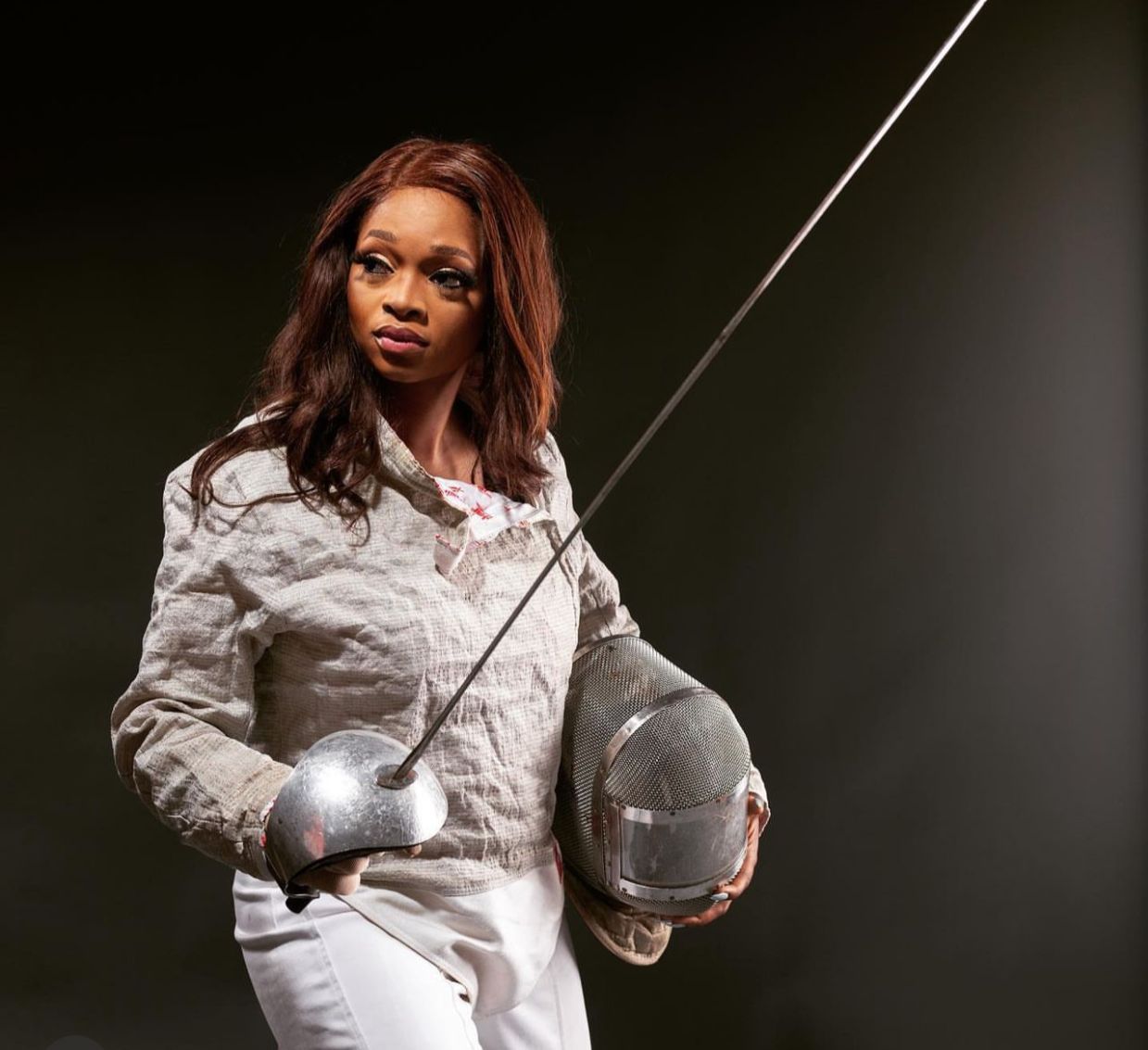
The Nigerian Fencing Federation made its mark at Invest Lagos 3.0, one of Africa’s foremost investment gatherings, where conversations about the continent’s future unfolded among government leaders, global investors, policymakers, diplomats, and business executives.
Representing the Federation was its Vice President, Mrs. Rachael Samuel, who carried the voice of sport into a space traditionally dominated by commerce and policy, promoting the 2026 Commonwealth Fencing Championships.
Organised by the Lagos State Government in partnership with the Commonwealth Enterprise and Investment Council (CWEIC), the summit was designed to attract investment, strengthen international partnerships, and accelerate growth across key sectors.
The atmosphere was charged with ambition, as figures such as Lord Jonathan Marland, Chairman of CWEIC; Samantha Cohen, CEO of CWEIC; Governor Babajide Sanwo-Olu; Deputy Governor Dr. Obafemi Hamzat; and Mrs. Folashade Ambrose-Medebem, Lagos State Commissioner for Commerce, Cooperatives, Trade and Investment, lent their voices to the dialogue.
For the Nigerian Fencing Federation, this was not simply another high-level event. It was a chance to weave sport into the broader narrative of development and investment, laying the groundwork for the upcoming Commonwealth Fencing Championships—a historic first for Lagos and a defining moment for Africa.
In the corridors of discussion, themes emerged that went far beyond the piste: the importance of strategic partnerships and sponsorships to sustain the Games; the need for sports infrastructure that leaves a lasting legacy; the promise of grassroots opportunities to inspire young fencers across communities; the drive to empower women and elevate their leadership in sport; and the groundbreaking introduction of disability fencing to a global competition in Africa, in partnership with World Ability Sport, ensuring inclusion and accessibility for all.
As Lagos prepares to welcome the Commonwealth Fencing Championships, these conversations underscore the transformative power of sport—not only as competition, but as a catalyst for development, inclusion, and social change.
Because fencing, like all sports, is not confined to the piste. It thrives in collaboration, in vision, and in the willingness to be present where opportunities are created.