A troubling question is beginning to follow Pan African Towers — and now, attention is shifting beyond management to the powerful investors behind the company.
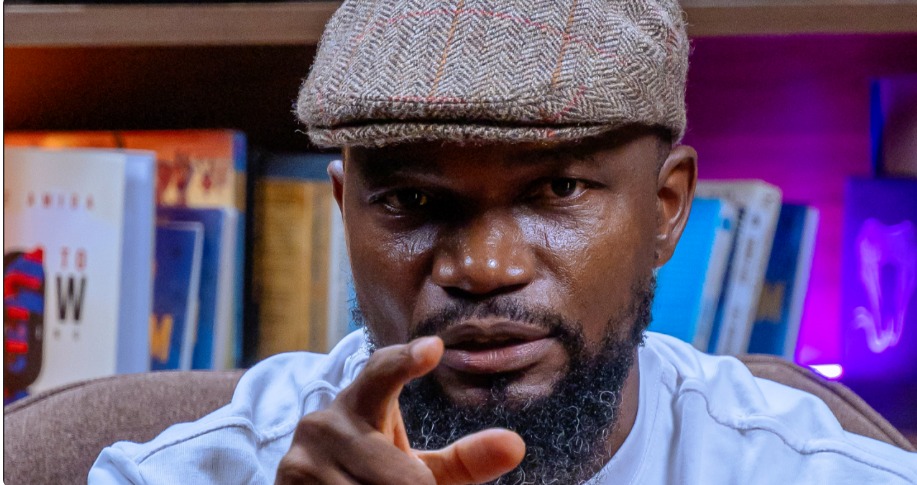
When former CEO Azeez Amida recently opened up about allegedly waiting 16 months after his exit over unresolved severance issues, many Nigerians focused on the emotional pain in his words.
But others are asking something even bigger:
How can a company linked to respected international investment firms allow such allegations to linger publicly without transparency or resolution?
Pan African Towers is backed by major private equity investors including Development Partners International and Verod Capital — firms that have built reputations around governance, institutional credibility, and long-term African growth.
That is why the silence is becoming impossible to ignore.
If a former chief executive publicly speaks about prolonged severance disputes, emotional hardship, and ongoing legal battles after helping scale the business, stakeholders have a responsibility to ask questions.
Because this is no longer just about one executive.
This is about corporate governance standards in Nigeria.
This is about how companies — and their investors — treat people after extracting years of value from them.
Reports previously credited Amida with leading a dramatic turnaround at Pan African Towers, with industry coverage highlighting rapid expansion and significant business growth during his tenure.
Yet today, instead of celebrating another African corporate success story, the public conversation has shifted toward alleged unpaid obligations and institutional silence.
And Nigerians deserve answers.
What role are the shareholders playing?
Have the investors demanded accountability?
Has the board investigated the concerns?
Are labour and corporate regulators paying attention?
Or is this another example of powerful institutions waiting for public outrage to fade away?
The involvement of internationally recognized investors makes this situation even more sensitive because firms like Development Partners International and Verod Capital often position themselves as champions of sustainable African enterprise, governance standards, and responsible investment practices.
If that is truly the case, then Nigerians have every right to expect transparency when controversies involving workers’ welfare and executive exits become public.
Across Nigeria, countless professionals are silently battling unpaid entitlements, delayed severance packages, and traumatic job losses while companies continue business as usual.
Most victims never speak publicly.
Most suffer quietly.
Most disappear financially and emotionally while corporate institutions protect their reputations behind legal language and silence.
That is why this story resonates beyond one man.
It touches the growing fear among Nigerian workers that loyalty and contribution mean very little once employment ends.
Corporate Nigeria cannot continue demanding sacrifice from workers while avoiding scrutiny over how people are treated after exit.
And investors cannot hide behind boardroom distance when the companies they finance face serious public questions about fairness, dignity, and accountability.
If there are disputes, Nigerians deserve clarity.
If there are obligations, they should be resolved transparently.
And if the allegations are inaccurate, then the companies and shareholders involved should address the public concern directly instead of allowing damaging speculation to grow.
Because silence is no longer neutral.
Silence is now part of the story.