
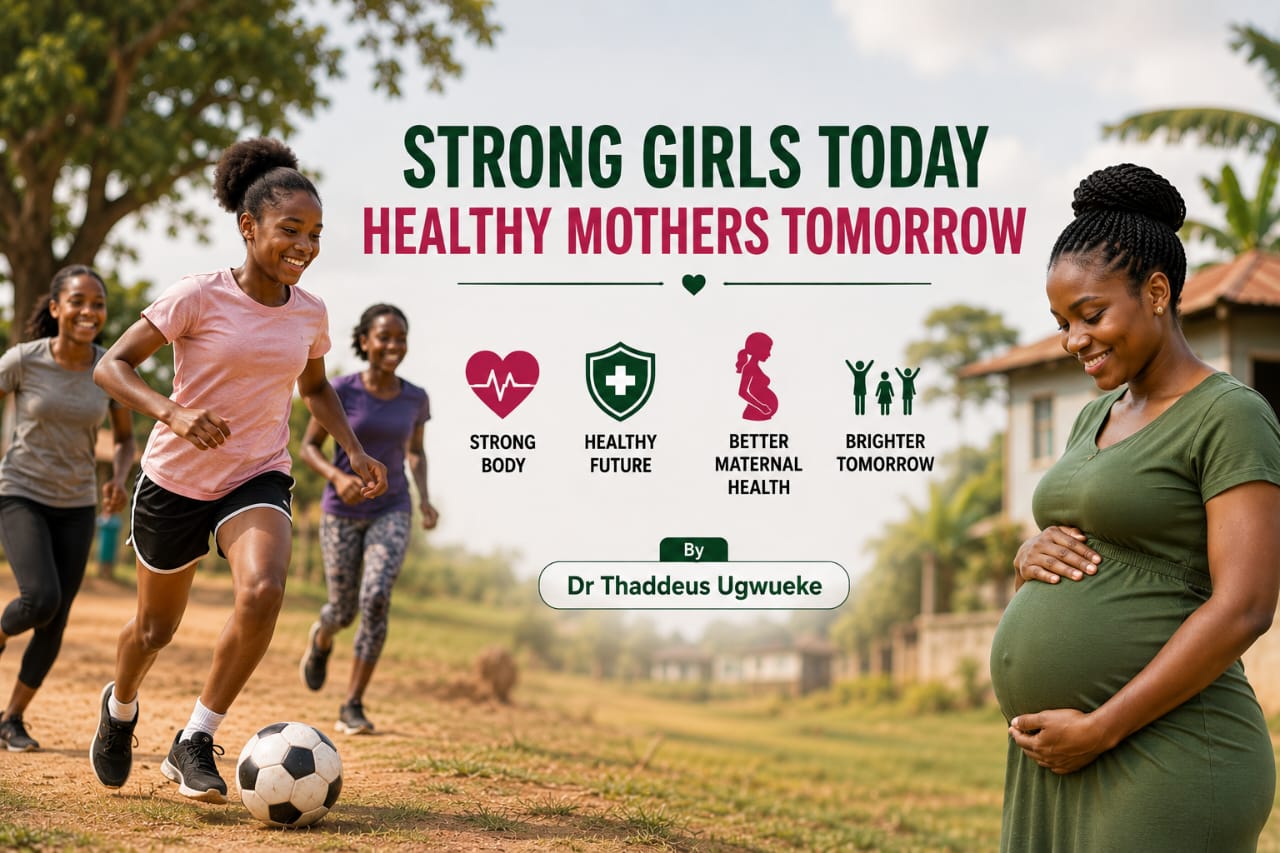
In today’s world, sports are no longer viewed merely as recreational activities or competitions for trophies. As a medical practitioner, I have seen firsthand how physical activity shapes not only the immediate health of young girls but also their future well-being as women and mothers.
One important area that deserves attention is the relationship between sports participation among young girls and future maternal health.
Many people do not realize that encouraging girls to participate in sports from an early age can contribute significantly to healthier pregnancies, safer childbirth experiences, and improved recovery after delivery.
The habits developed during adolescence often remain into adulthood, making sports an important investment in a woman’s future.
Read Also:: In Good Shape: Cholera And Sports, Staying Safe – By Dr Kolade Kolapo
Sports and the Female Body
The female body undergoes several stages of development, and regular physical activity helps support these changes positively. Sports strengthen muscles, improve blood circulation, maintain healthy body weight, and increase cardiovascular fitness.
These benefits are not only useful for athletic performance but are also essential during pregnancy and childbirth.
Pregnancy places considerable physical demands on a woman’s body. A physically fit woman is generally better prepared to handle the stress associated with pregnancy, labor, and postpartum recovery.
Girls who grow up engaging in sports often develop stronger pelvic muscles, better stamina, and healthier body systems that can support maternal health later in life.
Preventing Future Pregnancy Complications
One of the major concerns in maternal health today is the rise in complications such as obesity, hypertension, gestational diabetes, and cardiovascular problems during pregnancy. In many cases, these conditions are linked to poor lifestyle habits and physical inactivity.
Encouraging sports participation among young girls helps establish healthy routines early in life. Regular exercise reduces the risk of excessive weight gain and promotes hormonal balance.
Studies have shown that physically active women are less likely to develop serious pregnancy-related complications compared to women with sedentary lifestyles.
As doctors, we constantly emphasize prevention rather than treatment. Sports provide one of the most effective preventive measures for long-term reproductive and maternal health.
Mental Health Benefits
Maternal health is not limited to the physical body alone. Mental and emotional well-being are equally important. Sports teach discipline, confidence, teamwork, and stress management. Young girls involved in sports are often more self-confident and emotionally resilient.
These qualities become valuable during motherhood. Pregnancy and childbirth can sometimes be emotionally overwhelming. Women who have built mental strength through sports participation may cope better with anxiety, stress, and postpartum emotional challenges.
Breaking Cultural Barriers
Unfortunately, many communities still discourage girls from participating in sports. Some people wrongly believe that sports are unsuitable for females or that physical activity may negatively affect reproductive health. From a medical standpoint, this belief is inaccurate.
Moderate and well-supervised sports activities are highly beneficial for girls. Instead of restricting participation, parents, schools, and communities should create supportive environments where girls can safely engage in sports and physical exercise.
We must also address the issue of unequal opportunities. In many schools, boys receive greater encouragement and access to sporting facilities than girls. This imbalance needs to change if we truly care about women’s health and future generations.
The Role of Schools and Parents
Parents and teachers have an important responsibility in shaping young girls’ attitudes toward physical activity. Girls should be encouraged to join school sports teams, fitness clubs, and recreational activities without fear of discrimination or criticism.
Schools should ensure that physical education programs are inclusive and supportive. Female sports role models should also be promoted because they inspire young girls to see sports as beneficial and achievable.
Conclusion
As a doctor, I strongly believe that encouraging sports participation among young girls is a public health priority. Sports do far more than produce athletes; they help prepare healthier women, healthier pregnancies, and healthier families.
By promoting physical activity among girls today, we are helping build a future generation of mothers who are stronger physically, mentally, and emotionally. The responsibility belongs to parents, educators, healthcare professionals, governments, and society as a whole.
When we encourage a girl to play sports, we are not only supporting her present health — we are protecting her future maternal health as well.