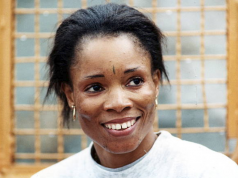
Former Super Eagles defender Juwon Oshaniwa has urged members of the Nigeria Football Federation (NFF) Normalisation Committee to prioritise establishing the right administrative structures, warning that Nigerian football risks repeating its historical mistakes if fundamental governance issues remain unresolved, Sports247.ng reports.
Oshaniwa believes the ongoing normalisation exercise presents an opportunity to rebuild the country’s football administration and create an enabling environment for competent individuals to participate in its governance.
The former international maintained that the quality of leadership emerging from future federation elections would largely depend on the structures established by the committee.
According to him, putting the right structures in place would create opportunities for individuals with the necessary expertise, experience and vision to contest elective positions and contribute meaningfully to Nigerian football development.
The 2013 Africa Cup of Nations winner stressed that changing individuals occupying administrative positions without addressing the deficiencies within the system would do little to guarantee sustainable progress.
He expressed concern that Nigerian football could continue experiencing the same challenges that have plagued its development over the years if the normalisation process fails to address fundamental structural problems.
Oshaniwa’s position comes amid growing demands from former internationals and other football stakeholders for comprehensive reforms within the NFF, particularly regarding its governance framework and electoral processes.
The former defender believes competence should be central to determining who occupies leadership positions, emphasising the importance of creating a system that allows capable individuals to emerge.
Rather than concentrating solely on the immediate task of conducting elections, Oshaniwa wants the committee to establish a lasting administrative framework that will serve successive generations.
His concerns also reflect the broader debate surrounding Nigerian football’s inability to consistently translate its enormous talent pool and passionate following into sustainable institutional development.
Having represented Nigeria at the highest level, including the 2014 FIFA World Cup in Brazil, Oshaniwa understands the importance of building a football system supported by effective administration.
He remains convinced that establishing the right structures will provide the foundation upon which future developments can be built.
For Oshaniwa, the success of the Normalisation Committee should ultimately be measured not merely by the emergence of new federation executives, but by its ability to create a credible system that attracts competent administrators and prevents Nigerian football from returning to familiar cycles of instability.