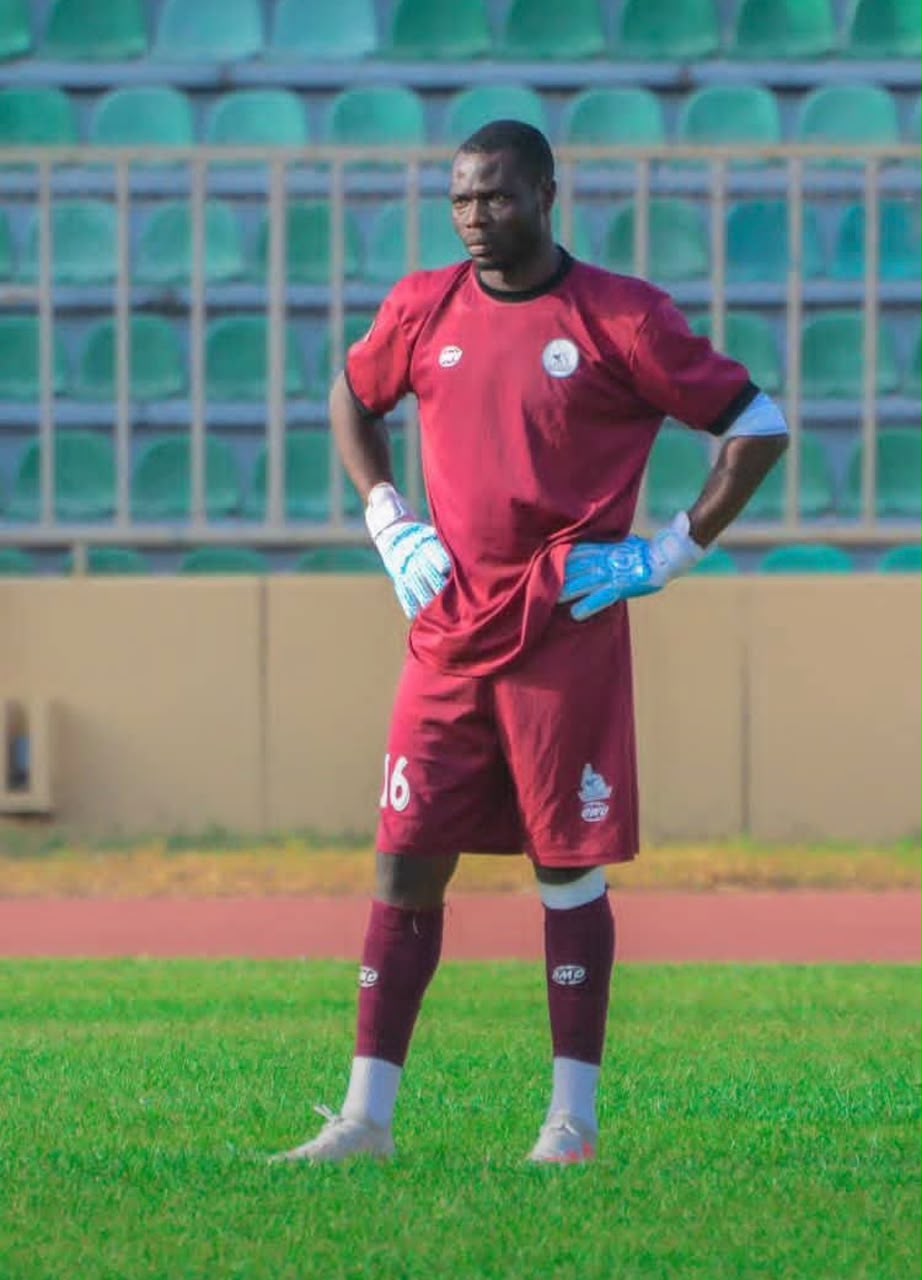
Rivers United’s post about fully funding goalkeeper Ani Ozoemena’s surgery has drawn mixed reactions from football fans, with supporters praising the club’s commitment while others question whether such support should be treated as an achievement.
The club announced on its social media platform that Ozoemena had returned to full training after recovering from a career-threatening injury, adding that it covered the cost of his surgery.
The development marks an important step in the goalkeeper’s recovery after an injury that kept him out of action for a significant period. His return to training also offers Rivers United another option as they continue their campaign in the Nigeria Premier Football League (NPFL).
However, the club’s announcement has generated a debate about player welfare and the responsibilities football clubs owe their players, particularly when they suffer serious injuries.
Some fans welcomed the news and commended Rivers United for standing by their goalkeeper during a difficult period. One supporter, posting under the name Just A Chill Guy, simply wrote, “Welcome back!!!”
Others, however, questioned why the club’s decision to pay for a contracted player’s surgery was being presented as something extraordinary.
A fan on X argued that the club should not need to publicise such support, asking whether it should have been responsible for the surgery in the first place and raising concerns about players who might have been abandoned in similar circumstances.
Another supporter, questioned the professionalism surrounding the situation and asked whether Ozoemena was on loan or contracted to Rivers United.
In contrast, another fan defended the club’s action, arguing that funding the surgery of its own player should not be a source of controversy.
The differing opinions have shifted attention beyond Ozoemena’s recovery to a wider question about how Nigerian football clubs handle the welfare of injured players.
For professional footballers, serious injuries can threaten not only their careers but also their financial stability and future opportunities. Access to timely medical treatment and rehabilitation can therefore play a major role in their recovery.
While Rivers United’s intervention has attracted criticism from some quarters, the goalkeeper’s return to full training provides a positive development for both the player and the club.
As the debate continues, Ozoemena’s case highlights the importance of clear welfare policies and consistent support for players throughout injury and rehabilitation.