
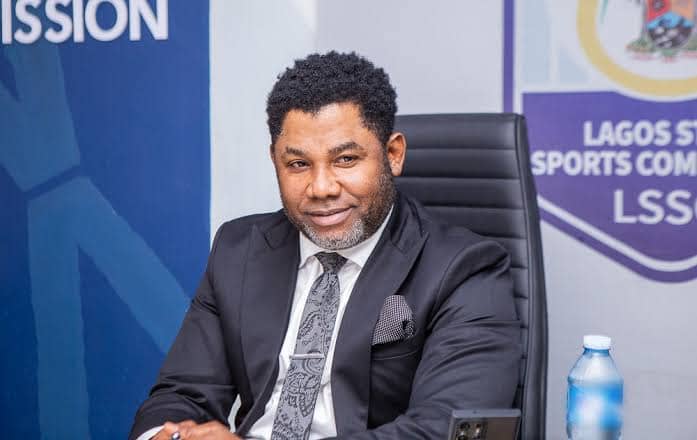
President of the Nigeria Aquatics Federation Lekan Fatodu has reaffirmed the federation’s commitment to developing young swimmers across the country, insisting that sustainable grassroots programmes will remain central to the growth of Nigerian aquatics.
Fatodu made the commitment following the second edition of the “Swim For Life” Swimming Championship in Abuja, an initiative designed to provide young people with opportunities to participate in competitive swimming and develop their potential.
This year’s championship carried additional significance as it was held in honour of former Nigeria Aquatics Federation president Chamberlain Dunkwu, who died in March.
Speaking on the sidelines of the competition, Fatodu said continuing to create opportunities for young swimmers was an important way of preserving Dunkwu’s vision for the sport.
According to the federation president, Dunkwu was passionate about expanding participation in swimming and ensuring that young people had platforms through which their talent could be discovered and developed.
Fatodu believes that vision must continue beyond his death.
Rather than allowing the championship to become merely a memorial event, he wants it to remain part of a sustainable development structure capable of producing the country’s next generation of competitive swimmers.
The NAqF president stressed that Nigeria possesses young people with the potential to excel in swimming but requires consistent programmes to identify, train and expose them to competition.
For Fatodu, organising competitions such as Swim For Life provides more than an opportunity to win medals.
It introduces young athletes to structured competition, gives coaches opportunities to identify promising swimmers and helps broaden participation in a sport still seeking greater visibility in Nigeria.
His comments also underline the federation’s intention to make youth development a long-term project rather than depend solely on occasional competitions.
Fatodu believes establishing sustainable programmes will be crucial if Nigerian swimming is to develop a deeper talent pool and eventually become more competitive internationally.
The second edition of Swim For Life therefore served two purposes — providing another competitive platform for young swimmers while remembering the administrator whose vision helped drive the initiative.
For Fatodu, the responsibility now is to ensure that Dunkwu’s work does not end with his passing.
The former federation president may no longer be there to pursue the dream himself, but Fatodu believes the best tribute is to keep opening the pool to young Nigerians — and give the next generation the opportunity Dunkwu wanted them to have.