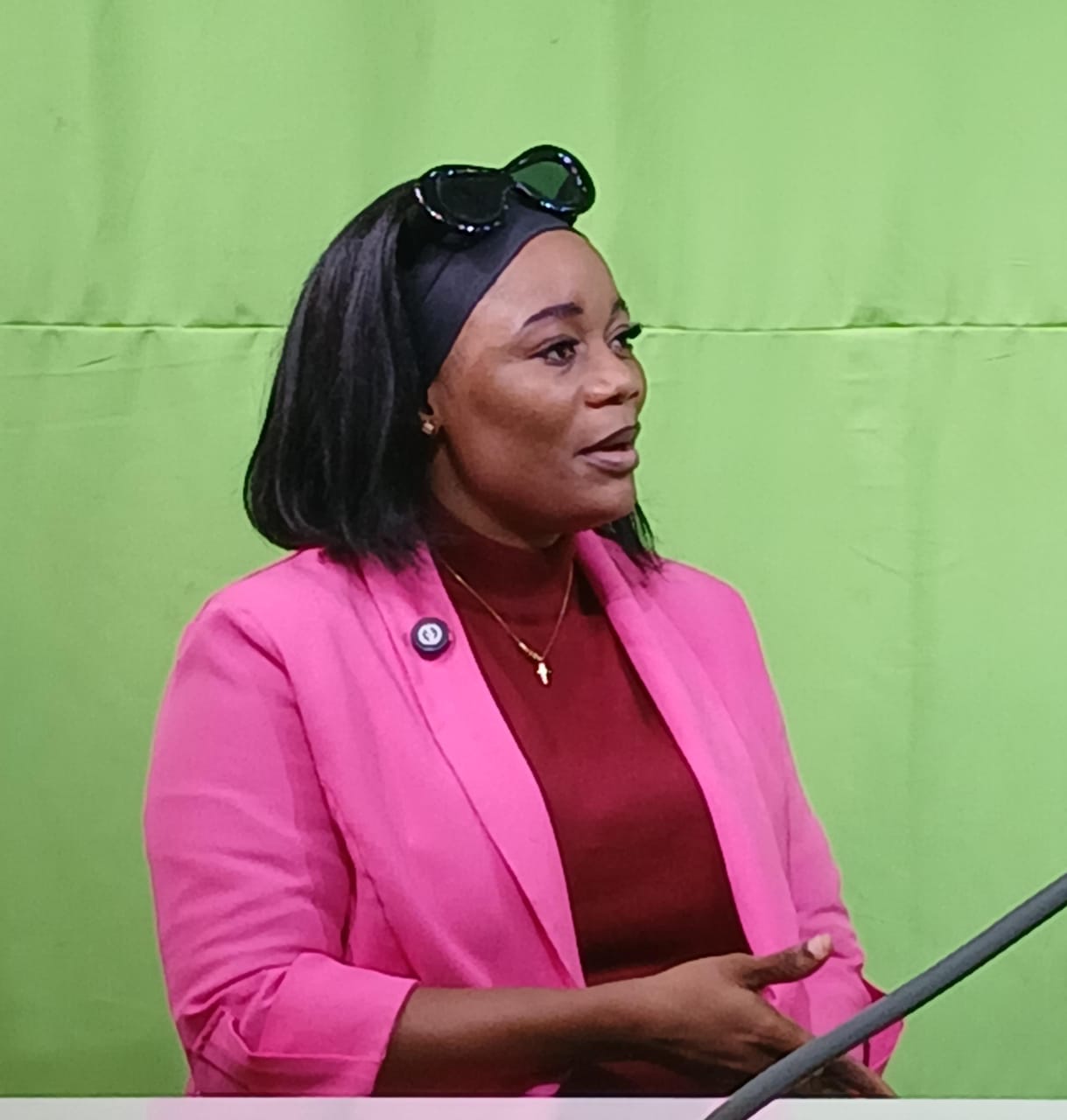
Nigerian adaptive sports athlete Olowookere Oluwafolakemi Glory has opened up on the challenges facing amputee sports in Nigeria, calling for greater investment, visibility and opportunities for athletes living with disabilities.
Speaking in an exclusive SPORTS247 interview, Olowookere explained that pursuing sport in Nigeria often requires athletes to find additional sources of income to sustain themselves.
Read Also: Celebrating Kola Daniel: The Journey, The Voice And The Man Behind Nigeria’s Sports Story
“I love sports, but at the same time, in Nigeria, you need to understand that you have to find something that pays the bills while pursuing your passion,” she said.
Beyond sports, Olowookere is involved in several ventures and social-impact activities. She currently works in Disability Innovation Advocacy, while also operating a food-processing business that exports smoked catfish, goat meat and other products.
She also sells her products within Nigeria and is working towards obtaining NAFDAC registration, with the ambition of having her products stocked in retail stores.
Her commitment to empowering others extends beyond business. Olowookere tutors people with intellectual impairments while simultaneously pursuing her education at Lagos State University, where she studies Adult Education.
Despite her determination and versatility, she believes the situation facing amputee sports in Nigeria remains difficult.
Asked whether amputee sport is sustainable, her response was blunt: “It is not sustainable or encouraging.”
Olowookere believes young athletes with disabilities must nevertheless continue pursuing their dreams, regardless of the obstacles confronting them.
Her message is particularly personal. She became an amputee after suffering an accident at the age of seven, but growing up, she struggled to find sporting role models with disabilities who could inspire her.
“To the younger ones, I would say that no matter the circumstances, just follow your passion,” she said.
She also highlighted the lack of media representation of athletes with disabilities, particularly on mainstream television, arguing that greater visibility could inspire children facing similar circumstances.
“When I was younger, I had an accident at the age of seven, and there was no one on the screen who could inspire me or make me want to push myself to become like them.”
For Olowookere, improving amputee sports requires stakeholders to look beyond competition and medals. Greater media coverage, financial support, structured development and meaningful opportunities could make disability sport more attractive and sustainable.
Her story is ultimately one of resilience: despite limited support, she continues to combine sport, education, advocacy and entrepreneurship while using her experience to inspire a generation that deserves to see people like themselves represented and celebrated.