Members of the Nigeria Football Federation Congress have thrown their weight behind the proposed reforms of Nigerian football, insisting that the current crisis presents a rare opportunity for stakeholders to come together and build a better system for the country’s number one sport.
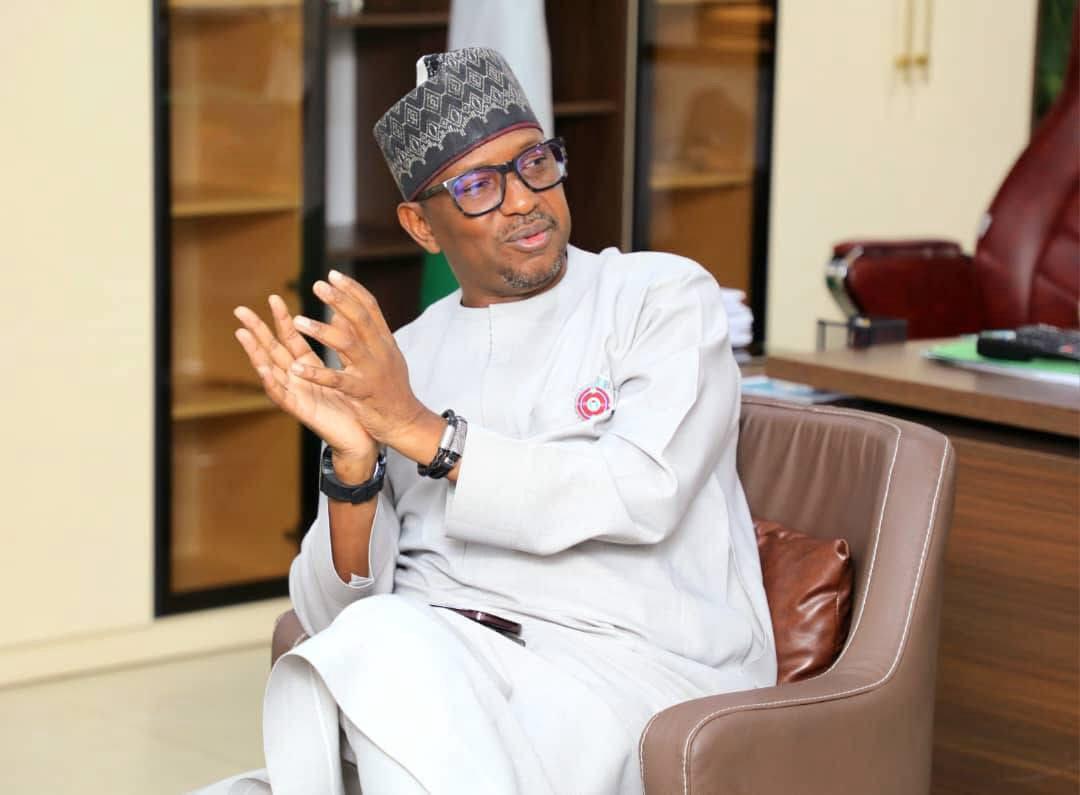
The Congress made its position known during a courtesy visit to the Chairman of the National Sports Commission, Mallam Shehu Dikko, with Gombe State Football Association chairman Yakubu Salma speaking on behalf of the delegation.
Salma said the Congress had no reason to oppose an initiative genuinely designed to move Nigerian football forward, stressing that the current situation should be used to bring stakeholders together rather than create another division within the game.
“We have no reason to oppose or be in disagreement with such an initiative,” Salma said.
According to him, the meeting with the NSC chairman was an opportunity for the Congress members to exchange ideas and collectively consider how Nigerian football can emerge from its current difficulties.
“This is an opportunity for us to rub minds as we hope to fashion a new course for Nigerian football,” he said.
The meeting comes at a critical time for the sport following the resignation of NFF President Ibrahim Musa Gusau, General Secretary Mohammed Sanusi and members of the NFF Executive Committee.
Gusau announced his resignation after three years and eleven months in office, saying he had consulted with his family, friends and stakeholders before deciding to step aside in the overriding interest of Nigerian football.
“My resignation is intended to give way to a comprehensive and orderly reform process aimed at addressing the longstanding institutional, governance and developmental challenges confronting Nigerian football,” Gusau said.
The resignation followed a difficult period for Nigeria’s national teams, with the Super Eagles failing to qualify for the 2026 FIFA World Cup and the Super Falcons suffering the historic disappointment of missing the 2027 FIFA Women’s World Cup.
Rather than allowing the setbacks to deepen the divisions within Nigerian football, Salma believes the crisis can provide an opportunity for stakeholders to collectively rebuild the game.
He said the Congress wants to be part of the process and contribute constructively to whatever reforms are eventually agreed upon.
“We want to be part of history as part of those who collaborated to make things work for Nigerian football,” Salma said.
His comments are significant because the NFF Congress remains a crucial component of the federation’s governance structure and will have an important role to play in determining the direction of the sport during the transition period.
The Congress includes representatives of state football associations and other recognised football stakeholders, making its cooperation essential if the proposed reforms are to achieve broad acceptance.
Dikko has already called for a new approach to running football in Nigeria, arguing that the sport affects the emotions of millions of Nigerians and that the broken system must be repaired if football is to thrive.
“The time has come for a new look in how we run football in the country,” Dikko said.
The NSC chairman has also stressed that those entrusted with running Nigerian sport must regard their positions as a privilege and accept responsibility for their actions.
Salma’s comments suggest that the Congress is prepared to engage with that reform agenda rather than resist it.
However, the biggest challenge will be translating the goodwill expressed at the meeting into concrete reforms capable of addressing the structural problems that have affected Nigerian football for years.
Issues surrounding governance, accountability, stakeholder representation, grassroots development, domestic competitions and the relationship between football authorities and government are all expected to feature prominently in the reform discussions.
For Salma and the Congress, the objective is not simply to replace the people who occupied positions in the previous administration.
It is to help create a system that can deliver better results for Nigerian football and restore confidence among supporters.
As the NSC and football stakeholders begin discussions over the next phase, the Congress has now made its position clear: it is ready to sit at the table, contribute its ideas and help write what it hopes will be a new chapter for Nigerian football.