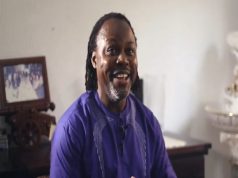
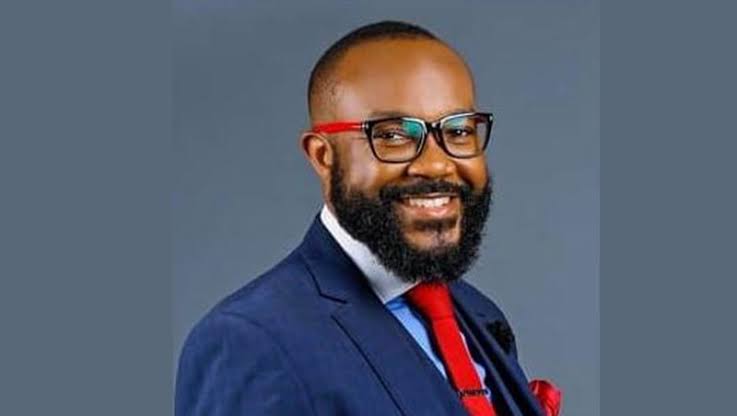
Newly elected Commonwealth Fencing Federation president Adeyinka Samuel has promised to strengthen relationships among member nations and introduce new development programmes designed to help smaller countries grow and compete at a higher level.
Samuel, who was elected president of the Commonwealth Fencing Federation on August 8 after defeating incumbent Marie-France Dufour by 14 votes to six, said his administration would focus on creating a more united and inclusive fencing community across the Commonwealth.
The Nigerian fencing administrator wants countries with fewer resources to receive greater support, insisting that the development of the sport should not be concentrated only among the traditional fencing powers.
“I want to forge a stronger relationship among the member nations,” Samuel said.
“We also need to set up developmental programmes to help particularly the smaller nations, because they also need to benefit and grow as they try to attain a higher height.”
Samuel’s election represents a major breakthrough for Nigeria and African fencing, as the Commonwealth Fencing Federation has traditionally been led by representatives from countries such as Scotland, Australia and Canada.
His emergence also comes at a particularly important time for the sport, following Nigeria’s successful hosting of the 2026 Commonwealth Fencing Championships in Lagos — the first time the senior edition of the competition was staged in Africa. More than 20 countries participated in the championship.
Nigeria finished fourth in the overall medal standings, collecting one gold, five silver and 18 bronze medals, while Oghenegaren Esiovwa-Thompson made history by becoming the country’s first Commonwealth Fencing Championships gold medallist.
For Samuel, however, the significance of the championship went far beyond Nigeria’s medal haul.
He has consistently argued that international competitions should be used as platforms for grassroots development, education, coaching and the expansion of fencing into more schools and communities.
“This championship is not simply about hosting a competition,” Samuel previously said. “It is about cultural exchange, about using sport as a tool for education, inclusion, and development.”
That philosophy is expected to shape his leadership of the Commonwealth body.
Samuel has already overseen development initiatives in Nigeria aimed at identifying young talents, training coaches and creating educational opportunities for promising fencers.
The Nigerian federation has worked with schools and grassroots communities, while scholarship programmes have helped talented youngsters combine education with elite fencing development.
The new Commonwealth president now wants to extend that philosophy across the wider federation.
His focus on smaller nations is particularly important because the cost of international travel, coaching, equipment and competition can prevent athletes from less-developed fencing countries from gaining the experience needed to compete internationally.
Samuel believes a stronger support system could help close that gap and allow more countries to produce competitive athletes.
His election also comes with a wider ambition for Nigeria and Africa, with the federation president previously identifying the 2028 Los Angeles Olympics as a major target for Nigerian fencing.
Nigeria narrowly missed qualification for the Paris 2024 Olympics after falling at the final African qualifying hurdle, and Samuel has since pushed programmes aimed at ensuring the country does not suffer the same disappointment in Los Angeles.
The Nigerian administrator also brings considerable experience as a former elite fencer. He has won more than 30 medals representing Nigeria and previously served in senior administrative roles within African fencing.
Now, as the first Nigerian to lead the Commonwealth Fencing Federation, Samuel believes his responsibility extends beyond Nigeria.
He wants to create stronger partnerships, provide development opportunities and ensure that smaller member nations are not left behind.
And with Nigeria having just delivered a historic Commonwealth championship in Lagos, Samuel has a unique opportunity to turn the momentum into something bigger: a Commonwealth fencing system where more countries have the resources, opportunities and support to produce champions.