
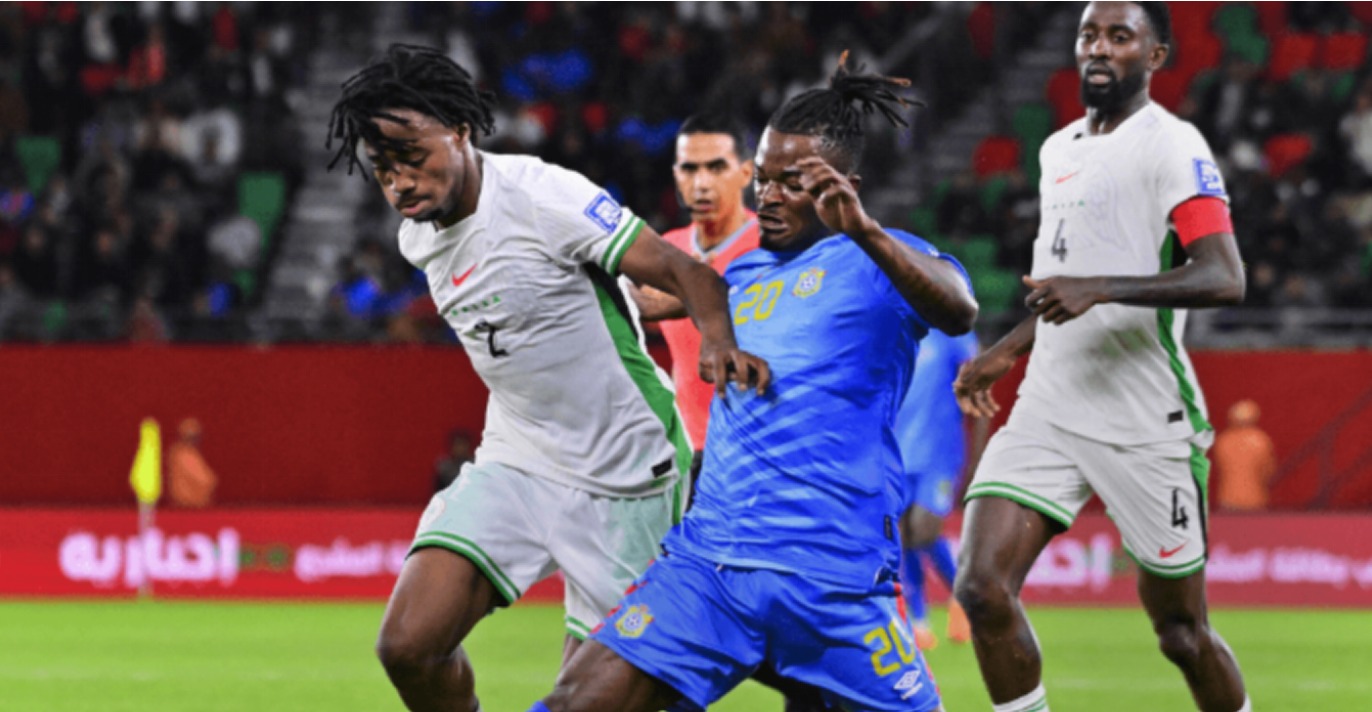
For many decades, the Super Eagles of Nigeria have been one of Africa’s defining football forces. They are three-time AFCON champions, Olympic gold medallists, and consistent producers of elite players who have graced the bigger leagues in Europe.
Today, the question of whether the West Africans can return to dominate African football lingers. The answer is layered; equal parts optimism and caution.
A football giant facing a modern reality
Nigeria still stands out as one of Africa’s biggest reservoirs of football talent. But lately, the gap between what’s possible and what actually happens on the pitch keeps growing.
The Super Eagles missed out on the 2025 World Cup and crashed out early in a bunch of other tournaments. It’s become a bit of a pattern; tons of talent, flashes of brilliance, but when it really counts, things fall flat.
Strangely enough, Nigeria’s best players are shining overseas. You look at the attackers and midfielders tearing it up in Italy, England, or Germany.
They’re playing against the world’s best and holding their own. The Super Eagles have guys who can flip a game on its head with a single moment of skill.
But here’s the thing: football has changed. Pure talent isn’t enough anymore. Teams like Morocco, Senegal, and Egypt are pulling ahead because they’re building from the ground up. They have youth academies, strong local leagues, a clear direction with their coaches, everything working together. Nigeria’s still in rebuild mode, trying to figure it all out.
For anyone betting on football games, Nigeria’s unpredictability is a headache. You see the talent and want to believe, but the shaky structure means you never really know what’s coming.
One week they look unstoppable, the next they’re flat. If you’re betting on them, you get potential and excitement, but you’re rolling the dice. Most punters take a step back and think twice before backing Nigeria.
The domestic league: Some discontent is spilling out
Any country that wants to rule football in Africa needs to have a strong local base. Here, Nigeria’s challenges are most visible.
For a consistent basis, the Nigeria Professional Football League (NPFL) has been dealing with getting the right amount of funding and infrastructure. As stadiums differ in quality, broadcast revenue is low, and many clubs have operational uncertainty each season.
These structural issues affect everything.
- Player development becomes inconsistent.
- Clubs struggle to compete in CAF competitions.
- Local young talents are not tactically prepared to charge with the national team.
Despite signs of progress, such as Nigerian clubs going further in continental competitions in recent years, Nigeria still lags behind North African and South African teams. These teams have more stable club ownership, modern facilities, and stronger leagues than Nigeria.
If Nigeria wants to return to dominance, NPFL must evolve to a more professional, commercially viable competition.
Missing consistency is governance and stability
Nigeria’s football governance is its biggest problem. It is common to hear about coaching changes, administrative disputes and player-welfare failures. These problems can disrupt continuity and trust, and complicate planning.
These days, the difference between winning and losing is close. Federations plan for a four to eight-year cycle, invest in youth pathways, invest in coaching stability. Such setups deliver better outcomes than teams using short-term fixes.
Nigeria has often taken the latter route. To dominate Africa, the national team requires more strategic management from the grassroots to the senior level.
Youth development: Nigeria’s golden advantage waiting to be unlocked
Few African nations match Nigeria’s natural talent pool. Every year, thousands of young footballers, blessed with pace, skill and flair, emerge from the country’s academies, schools and grassroots. This is Nigeria’s biggest competitive advantage.
What is missing is a consolidated national pathway for converting unrefined talent into elite football. A coherent structure would include:
ü Standardizing coaching education nationwide
ü Strengthening elite academies with modern training methods
ü Enhancing scouting networks across all states
ü Organizing youth competitions regularly at U13, U15, U17 and U20 levels
Nations at the top of world soccer, from France to Brazil, are not more talented than Nigeria. They simply organize that talent better.
The road back to dominance
Nigeria could regain the title of Africa’s best footballing nation, but not certainly so. The ingredients are already there.
ü A massive talent pool.
ü A passionate football culture.
ü A strong diaspora pipeline.
ü Players excelling in Europe’s top leagues.
But dominance can only be attained when these ingredients are supported by:
ü A modern, commercially stable domestic league
ü A consistent coaching philosophy
ü Long-term federation planning
ü Strategic youth development
ü Reduced administrative instability
The future of Nigerian football in Africa will largely depend on whether its institutions are able to match the energy and talent of its players and fans.
So, can Nigeria dominate Africa again?
Certainly! This possibility stands only if the underlying structural issues are resolved. Talent alone will keep Nigeria competitive. The chances of Super Eagles becoming African champions will rely on their systems, strategies, and organisation to become a continental power.
Nigeria has been at the top before. The blueprint exists. The nation must not just ask if it can dominate again, but whether it will do hard work to do so.