
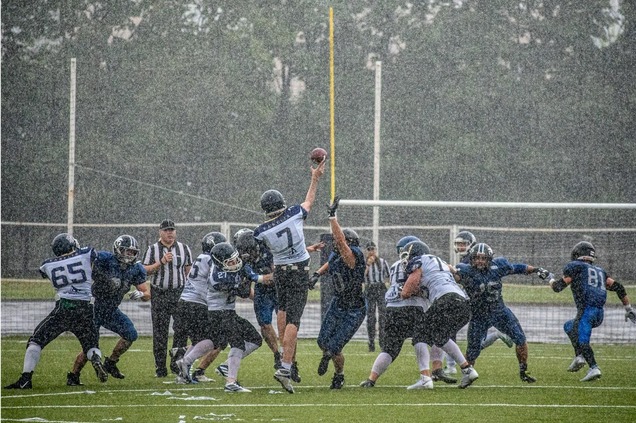
Weather has always shaped sport. A sudden downpour changes how a football rolls and how a tennis ball bounces. In betting, these moments create value for those who understand nature’s rhythm. The finest strategies often begin not with statistics, but with a glance at the sky.
In racing, the same truth has guided wagers for centuries. Horse Racing Bets Ireland show how moisture, wind, and ground texture can transform a race once decided by fractions of a second. A wet track favours stamina, while firm soil rewards pace. Bettors who study weather patterns, rather than odds alone, often see opportunity where others see uncertainty.
For many decades, weather forecasting has grown from folklore to data science. Yet its influence on betting markets remains deeply human, shaped by observation, experience, and memory of conditions long past.
Patterns Behind the Forecast
Across most outdoor sports, weather controls tempo and tactics. A small temperature shift can decide how athletes perform, especially in endurance competitions. Bettors who follow these details track not only teams but climates.
Key conditions that often reshape markets include:
• Heavy rain – lowers scoring potential in football, delays races, and affects team selection.
• Strong wind – alters passing accuracy, golf drives, and cricket spin.
• High humidity – slows pace, impacts stamina, and changes substitution plans.
Each factor feeds into prediction models, yet no statistic replaces lived observation. A cloudy sky during training can reveal more than a week of reports.
Racing, Football, and Beyond
In horse racing, the link between weather and result is clearer than anywhere else. Trainers adjust shoes, jockeys adapt rhythm, and horses react differently to wet or dry ground. Long ago, bettors watched puddles near the paddock to guess track softness. Today, that habit survives in digital form through surface ratings and predictive models.
Football behaves similarly. Heavy rain can slow attacking sides that rely on precision, while strong wind benefits direct play. Temperature extremes affect player endurance, changing substitution timing. For those analysing patterns, weather becomes less a background detail and more a living variable.
When the Elements Decide
In cricket and baseball, air density affects ball movement. Golfers adjust their clubs when wind direction shifts. Bettors who follow these cues often rely on more than meteorological charts. They combine historical match data with situational awareness, forming connections others overlook.
Experienced observers learn to treat weather as context, not disruption. They study how specific athletes perform under particular conditions. Some thrive in heat; others deliver peak form in cooler temperatures. These variations become quiet advantages for those who notice.
Economic and Analytical Influence
Betting platforms integrate weather data directly into odds. Automated systems update values once official forecasts change. Sharp bettors often act before these updates occur, capitalising on short-lived inefficiencies. Markets move fast, yet nature remains unpredictable.
For bookmakers, weather risk demands precision. Delays, cancellations, or altered performances affect balance sheets as much as outcomes. The interplay between meteorology and money has existed since organised sport began in the nineteenth century.
Historical Echoes and Modern Tools
Centuries ago, punters read weather signs from the horizon. Today, satellites measure wind speed to the metre. Technology has refined observation but not intuition. The sense of timing, once learned through long experience, still separates calculation from insight.
Modern bettors merge both. They track live forecasts, humidity charts, and microclimate variations at stadiums. Some even archive weather-linked data for recurring leagues, comparing how similar patterns affected past matches.
Common habits include:
• Noting weather trends before odds release.
• Checking updates close to match start for late shifts.
• Linking athlete performance to surface and temperature data.
These methods merge science with instinct, echoing traditions that began centuries ago.
Reflections in Motion
Weather continues to remind bettors that sport is never static. A sudden gust, a cold night, or a dry field can change outcomes that once seemed certain. The balance between preparation and unpredictability remains the essence of wagering.
Across all eras, one truth stays constant – sport belongs to nature as much as to numbers. Those who read the wind, the rain, and the soil do not chase fortune blindly. They listen to what the world tells them before every game begins.