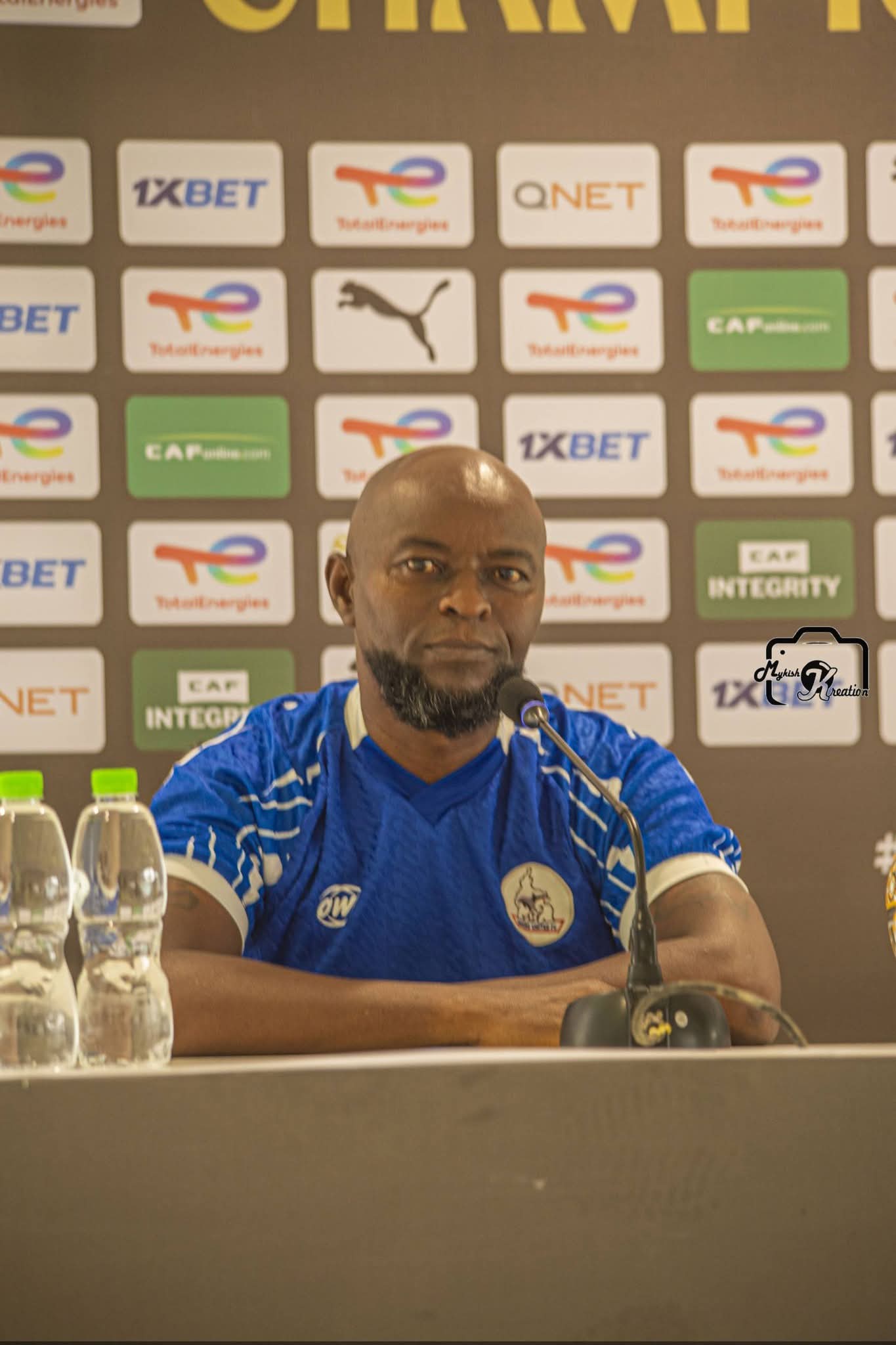

The 2025/26 CAF Champions League group stage ended in disappointment for Nigeria’s representatives, Rivers United, following another heavy defeat on the final matchday.
READ ALSO: Joseph Atule Fires Barau FC to Vital Win, Claims Man of the Match Honour
Rivers United wrapped up a dismal continental campaign with a 3–0 loss away to RS Berkane in Morocco on Saturday.
The result summed up a torrid outing for the Port Harcourt-based side, who struggled throughout the group phase.
The team coached by Finidi George endured a chastening series of results, including a crushing 7–1 aggregate defeat to Pyramids FC home and away, as well as a 1–0 loss over two legs to Power Dynamos FC.
Rivers United managed just one point from six matches, drawing only once and losing the remaining five.
A review of the standings across the four groups confirmed Rivers United as the lowest-ranked team among the 16 clubs that reached the group stage.
They finished bottom of Group A with a record of P6, W0, D1, L5 — the worst return in the competition this season.
Group A was topped by Pyramids FC with 16 points, while RS Berkane claimed second place to progress to the quarter-finals.
Power Dynamos finished third on seven points, leaving Rivers United anchored at the foot of the table.
Over the six matches, the Nigerian champions conceded 13 goals and scored just twice, underlining their difficulties against more experienced continental opposition.
The campaign also placed Rivers United on the wrong side of history, as they became the first Nigerian club to lose five matches and finish winless in a CAF Champions League group stage.
They were the only team in this season’s competition to end with just one point.
While Algeria’s JS Kabylie also failed to secure a win, they still managed three points, further highlighting Rivers United’s isolation at the bottom.
Rivers United’s struggles have once again raised questions about the competitiveness of Nigerian clubs at Africa’s elite level, particularly in terms of squad depth, tactical organisation and consistency.
As focus returns to domestic football, the club — and Nigerian football more broadly — will be forced into serious reflection after another sobering outing on the continent’s biggest club stage.