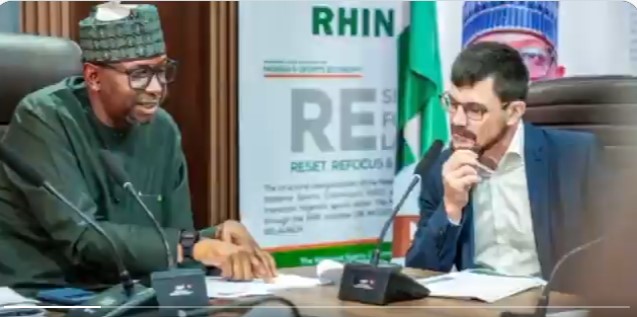
FIFA Head of Member Association Governance Rolf Tanner has made it clear that the joint FIFA/CAF delegation visiting Nigeria did not arrive in the country to impose an immediate solution to the crisis surrounding Nigerian football, insisting that its mission is to listen, assess and report its findings.
Tanner, who is part of the delegation that held extensive consultations with football stakeholders in Abuja, said finding a sustainable way forward would require collaboration between FIFA, CAF, the Nigeria Football Federation, government authorities and other relevant parties.
The FIFA/CAF mission comes amid continuing uncertainty over the governance and future structure of Nigerian football following the resignation of former NFF president Ibrahim Gusau, General Secretary Mohammed Sanusi and other board members on August 27.
But Tanner stressed that the delegation itself does not have the mandate to arrive in Nigeria and immediately pronounce a verdict on what happens next.
“We are not here to take a decision,” Tanner said.
Instead, he explained that the team is examining the situation on the ground and gathering the positions of the different parties before presenting its findings for consideration by FIFA and CAF.
That distinction could prove crucial amid intense debate over the direction Nigerian football should take.
According to the National Sports Commission, the delegation’s engagements have centred on the proposed comprehensive reform of Nigerian football, including its legal structures, governance, development and stakeholder collaboration.
The visiting team includes Tanner, FIFA Member Association Governance Services team lead Ahmed Harraz, FIFA Regional Office for West Africa lead El Hadj Wack Diop, and CAF Legal Manager Nnaemeka Olu.
Rather than restricting its consultations to government officials, the mission was designed to hear from a broad section of the country’s football community.
The programme included engagements with the NFF administration and representatives of State Football Associations, leagues, players, coaches and referees, as well as former NFF presidents and general secretaries, club owners, sponsors and other stakeholders.
Tanner maintained that collaboration will be necessary if progress is to be achieved.
His position also underlines an important point surrounding the ongoing discussions: no final decision on the next governance arrangement has yet been announced by FIFA or CAF.
The assessment mission concluded its consultations on Tuesday, with stakeholders presenting different positions on how Nigerian football should be reformed. Those views will now form part of the information considered as the international governing bodies determine the next steps.
For Nigerian football, that means the conclusion of the delegation’s visit does not necessarily mean the conclusion of the crisis.
Instead, attention now shifts from Abuja to what FIFA and CAF make of the findings placed before them.
Tanner’s message throughout the mission has therefore been significant: FIFA came to Nigeria to hear all sides, establish the facts and assess the proposed reforms — but the final decision on what happens next will come only after that process has been reviewed.