
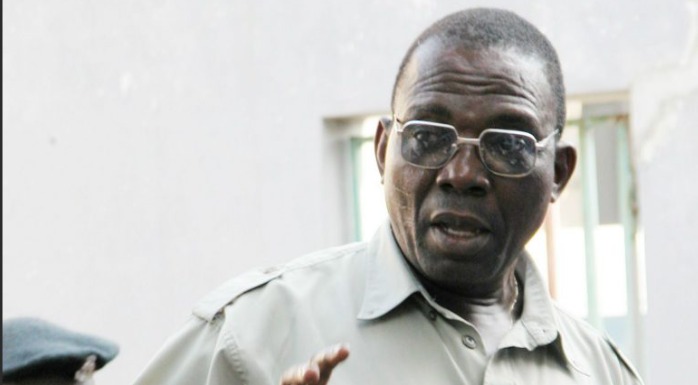

Former Super Eagles head coach and respected CAF/FIFA instructor, Chief Adegboye Onigbinde, has issued a stern warning that Nigeria’s continuous decline on the global football stage is the direct consequence of decades of neglect, insisting that the country is now paying the price for abandoning genuine development.
Speaking in the aftermath of the Super Eagles’ failure to qualify for the 2026 FIFA World Cup, Onigbinde delivered a brutally honest assessment, describing the ongoing crisis as “inevitable” given Nigeria’s long-standing refusal to implement structured football growth.
Read Also: LA Knights Crowned Regular-Season Champions As Showtime Arena Erupts — Fans Pack Out Venue & 120,000+ Watch Online in Historic Week 9 Finale
The Modakeke High Chief said Nigeria has no functioning football developmental blueprint, no long-term investment in youth systems, and no unified national playing philosophy — all primary responsibilities demanded by FIFA from its member associations. Instead, he argued, Nigeria continues to rely on short-term fixes, emergency changes, and last-minute improvisations that cannot produce sustained success.
According to him, the country is not suffering from the poor decisions of recent years alone but from decades of football administrators failing to plan, failing to invest, and failing to follow global standards for talent development.
Onigbinde stressed that the collapse Nigerians are witnessing today — back-to-back failure to qualify for the World Cup, inconsistent AFCON performances, and the absence of a conveyor belt of elite young players — is the result of years of ignoring the foundations upon which successful football nations are built.
He added that countries like Morocco, Senegal and Japan transformed their football by adopting clear philosophies, building modern academies, investing heavily in coaching education, and staying consistent with their models. Nigeria, on the other hand, “starts from zero every World Cup cycle.”
The former World Cup coach insisted that before blaming players or coaches, the nation must confront the real issue: Nigeria has no football identity, no sustained developmental culture, and no continuity in planning.
Onigbinde concluded that unless the NFF embraces total structural reform and long-term investment, “Nigeria will continue to decline — not because we lack talent, but because we lack organisation.”