
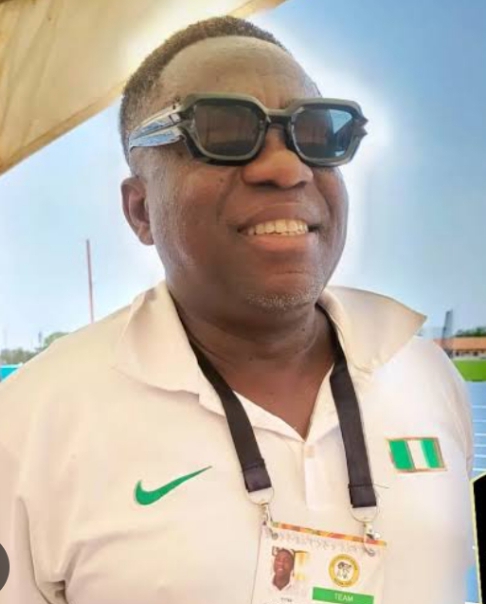

The Technical Director of the Athletics Federation of Nigeria (AFN), Gabriel Okon, has stressed that Nigeria must invest heavily in athletics if the nation truly desires podium finishes at global championships and the Olympic Games.
Okon, who just returned from the World Athletics Championships in Tokyo, said Nigeria is richly endowed with talented athletes making the country proud on the international stage.
READ ALSO: World No. 14 Anders Lind Knocks Aruna Out of 2025 China Smash, Shifts Focus to Africa Championship
However, he warned that their progress cannot be sustained without proper financial backing.
“As of today, Tobi Amusan, Nigeria’s 100m hurdles world champion, holds a record time of 12.12s.
Her achievements inspire many, but to replicate such success on a larger scale, we must provide adequate funding,” the former Nigeria international sprinter stated.
He cited South Africa, Jamaica, and other nations as examples where deliberate investments in athletics have produced world-class athletes and boosted sports development.
Okon dismissed the recurring excuse of “lack of funds” by government officials as a setback to growth, insisting that “we don’t just attend championships, we also learn how others achieve podium finishes.”
The AFN technical chief emphasized that countries dominating world athletics have consistently invested in their athletes across several seasons, covering training grants, competitions, coaching, medical support, equipment, and welfare.
According to him, Nigeria’s reliance on yearly budgets or personal funds is inadequate.
Okon further pointed out that nations such as Turkey, Qatar, Spain, and Saudi Arabia attract athletes from other countries with huge financial packages, sometimes compelling them to change their names and compete under new nationalities.
He concluded by stressing that Nigeria’s current ad-hoc approach has limited the potential of its top athletes. For sustained success, he argued, athletics in the country requires a consolidated investment structure and long-term commitment.

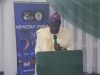



, Gabriel Okon, has stressed that Nigeria must invest heavily)