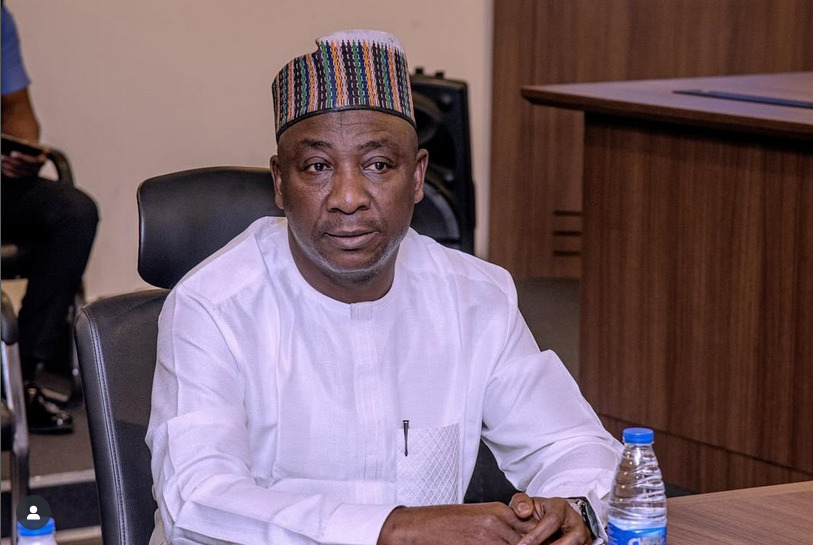

After years of mounting criticism and growing calls for change, the Nigeria Football Federation has finally taken a decisive step toward reform, with its president Ibrahim Musa Gusau openly admitting that key governing structures within the federation have long been neglected.
Speaking at the Extraordinary General Assembly in Yenagoa, Bayelsa State, Gusau acknowledged that the federation’s statutes, electoral code, and standing orders have not kept pace with the evolving demands of modern football administration.
Read Also: New Era for Women in Sports: Dr. Aluko Urges Bold Leadership and Athlete Welfare Reforms
His admission marks one of the clearest signals yet that the NFF recognises the urgency of reform.
“For too long, these documents have been overlooked,” Gusau admitted, in what many observers see as a significant shift in tone from the federation’s leadership.
In response, the NFF has now approved a series of amendments aimed at modernising its governance framework. While full details of the changes are yet to be widely scrutinised, the move is being presented as a foundation for improved transparency, accountability, and efficiency within Nigerian football.
Crucially, the federation has also fixed September 26, 2026, as the date for its next elective congress — a decision that could shape the future direction of the sport in the country.
The announcement comes amid sustained pressure from stakeholders, including government officials, former players, and football administrators, who have repeatedly called for a comprehensive overhaul of the system. Concerns over outdated regulations, lack of inclusivity, and governance inefficiencies have dominated discussions around Nigerian football in recent years.
For many, this latest development represents a long-overdue response to those concerns.
However, questions remain.
Skeptics argue that while acknowledging the problem is a step forward, the true test lies in the implementation of these reforms. Will the amendments genuinely transform the system, or will they fall short of addressing the deeper structural issues that have hindered progress?
The upcoming elective congress now takes on added significance, as it will not only determine leadership but also serve as a referendum on the credibility of the reform process.
As Nigerian football stands at a critical juncture, the message from fans and stakeholders is unmistakable — change is no longer optional.
And now, with promises on the table, all eyes are on the NFF to deliver.