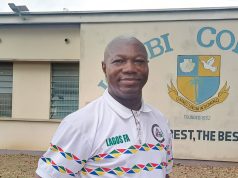
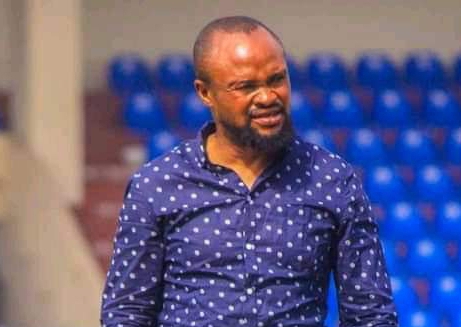

Former Super Eagles winger Dimeji Lawal has demanded a full-scale examination of Nigeria’s football system following the country’s second consecutive failure to qualify for the FIFA World Cup.
In a hard-hitting assessment, Lawal said Nigeria can no longer pretend that only players or administrators are to blame — the entire structure needs urgent scrutiny.
Lawal expressed disbelief that the national team found itself embroiled in a player strike just days before a must-win qualifier, a scandal he says symbolises how far Nigeria has fallen.
According to the former Flying Eagles star, such chaos would be unthinkable in any serious footballing nation.
Read Also: Olopade Defends Nigeria’s World Cup Effort: ‘We Built the Structure, Backed the Team — But Somehow, We Still Failed’
“We must ask questions — uncomfortable questions — and demand answers from every part of the system,” Lawal said sternly. “How did we get to a point where players were going on strike before an important match? That alone is a massive distraction.”
He argued that the strike was not an isolated incident but a symptom of deeper dysfunction — from poor communication and inconsistent leadership to inadequate planning and lack of accountability at multiple levels of Nigerian football administration.
Lawal insisted that Nigeria’s football decline has been gradual but obvious, and was only allowed to worsen because those in charge failed to confront the growing problems early enough. “We always wait until disaster happens before we start reacting. This must change,” he warned.
The former international said what Nigeria needs now is not another round of blame games but a sincere, nationwide reset. He believes the football community — administrators, coaches, players, and even government agencies — must return to the drawing board to honestly assess what went wrong and what must be done differently.
Lawal emphasised that the Super Eagles are too big, too talented, and too historically successful to be trapped in cycles of controversy, chaos, and underperformance. “The truth is harsh, but Nigeria deserves better than what we are seeing,” he said.
In his view, the first step toward rebuilding is openness; the second is taking responsibility; the third is structural reform.
His message:
If Nigeria wants to rise again, it must confront the truth — not hide from it.