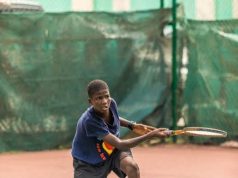


The shadows of doping continue to cast a long and troubling spell over Nigerian athletics, with the Athletics Integrity Unit (AIU) confirming the addition of quarter-miler Imaobong Nse Uko to the growing list of Nigerian athletes sanctioned for anti-doping violations.
According to the AIU’s most recent sanctions list released on July 1, 2025, Uko became the 10th Nigerian athlete currently serving a suspension.
Read Also: Akwa Ibom FA, Manu Garba Unite to Scout Future Superstars in Uyo
Her inclusion highlights an unsettling trend that underscores systemic flaws in athlete education, oversight, and enforcement in Nigerian track and field.
Uko’s Ban: A Fall From Grace
Once heralded as the future of Nigerian sprinting, the 20-year-old Imaobong Uko has been slapped with a two-year ban, retroactive to June 5, 2024—the date of her offence. While the AIU’s notice did not disclose the specific banned substance involved, it confirmed that Uko had been under provisional suspension since July 7, 2024.
All competitive results achieved since then have been annulled.
Her suspension will run until July 23, 2026, pausing what had once been a promising international career.
Uko burst onto the scene at just 17, winning gold in the 400m at the 2021 World U20 Championships in Nairobi, clocking a personal best of 51.55 seconds.
Her rapid ascent continued with a title defense at the 2021 National Sports Festival and an appearance at the rescheduled Tokyo 2020 Olympic Games, where she was part of Nigeria’s 4x400m relay team.
She was widely regarded as the next great Nigerian quarter-miler, drawing comparisons to national legends such as Falilat Ogunkoya and Fatima Yusuf.
The Growing List of Nigerian Athletes Under Sanction
Uko joins a sobering list of Nigerian athletes banned for various doping infractions. These include:
Vivian Chukwuemeka
Discipline: Shot put
Sanction: Lifetime ban
Background: A two-time Olympian and former Commonwealth Games gold medalist, Chukwuemeka first received a two-year ban in 2009. After failing a second test for anabolic steroids in 2012, she was handed a lifetime ban.
Henry Azike
Discipline: Sprinting
Sanction: Lifetime ban
Infraction: Tested positive for Metenolone, an anabolic steroid.
Blessing Okagbare
Discipline: Sprinting & Long Jump
Sanction: 10-year ban
Details: Banned for multiple anti-doping violations tied to the Tokyo 2020 Olympics.
Divine Oduduru
Discipline: Sprinting
Sanction: Provisional suspension (AIU seeking 6-year ban)
Details: Cited in a U.S.-based doping investigation involving banned substance supplier Eric Lira.
Goodness Iredia
Discipline: Long/Triple Jump
Sanction: 3-year ban (Feb 26, 2025 – Feb 25, 2028)
Infraction: Tested positive for Metenolone during a competition in Louisville, USA.
Grace Nwokocha
Discipline: Sprints/Relays
Sanction: 3-year ban (Aug 3, 2022 – Aug 2, 2025)
Infraction: Tested positive for Ostarine and Ligandrol at the 2022 Commonwealth Games.
Stephen Eloji
Discipline: 400m
Sanction: 4-year ban (May 2, 2024 – May 28, 2028)
Infraction: Dehydrochloromethyl-testosterone detected during an out-of-competition test.
Ada Princess Bright
Discipline: Sprints
Sanction: 4-year ban (Infraction on July 6, 2023; ineligible until Sept 21, 2027)
Substance: Metenolone
Event: In-competition test during Nigeria’s National Trials in Benin City.
Yinka Ajayi
Discipline: Sprints
Sanction: 8-year ban (Dec 23, 2021 – Jan 25, 2030)
Infraction: Tested positive for Metenolone and charged with tampering. Initially handed a 4-year ban, with an additional 4 years added in 2024.
A Regional Symptom of a Global Problem
Though Nigeria’s growing list is cause for alarm, the issue of doping extends far beyond its borders.
The AIU’s global sanctions report highlights athletes from Kenya and India as leading violators, pointing to systemic weaknesses in the global anti-doping framework—especially in countries where oversight and enforcement are underfunded or compromised.
This global pattern reveals the urgent need for anti-doping reform, greater investment in testing and athlete education, and structural improvements to ensure integrity in sport.
The Path Forward
For Nigerian athletics, the challenge is multi-faceted: implement strict testing regimes, educate athletes from a young age, and ensure clear accountability mechanisms at all levels of governance. Without these, the risk of further reputational damage remains high.
As for Uko, her fall from grace may yet serve as a valuable lesson. Redemption is possible, but only if Nigerian sports stakeholders confront the hard truths about doping, address the root causes, and commit to a culture of clean competition.
Until then, the nation’s dream of global track and field glory remains tainted by the specter of banned substances.