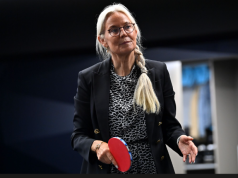

Former Chairman of the House of Representatives Committee on Sports, Hon. Godfrey Ali Gaiya, has described the current period as Nigeria’s best opportunity to carry out comprehensive football reforms, warning that failure to properly address existing problems could allow the same challenges to persist.
Gaiya believes the ongoing restructuring of Nigerian football must go beyond cosmetic changes and tackle fundamental weaknesses within the system, particularly the statutes governing the administration of the game.
According to the former federal lawmaker, the existing structure has created loopholes that have repeatedly affected the effective administration and development of football in the country.
He stressed that allowing the opportunity for genuine reform to pass without addressing those weaknesses would simply leave Nigerian football vulnerable to another cycle of administrative problems.
For Gaiya, “the best time” to reform Nigerian football is now, particularly with the sport undergoing a major administrative transition.
His intervention comes amid the wider reform process following the resignation of the previous Nigeria Football Federation (NFF) leadership and calls for changes to the governance structure of the federation.
The reform debate has increasingly focused on the NFF statutes, stakeholder representation and the composition of the football congress, with several former internationals and administrators calling for a system that accommodates a broader range of football stakeholders.
Gaiya believes the statutes in their current form do not adequately serve the interests of Nigerian football and should therefore be reviewed as part of the restructuring exercise.
More importantly, he wants the football ecosystem opened up to competent individuals capable of properly managing the sport rather than allowing restrictive structures to determine who can participate in its administration.
The former House Committee Chairman’s position adds to growing calls for the current reform process to produce lasting structural changes rather than merely replacing one group of administrators with another.
Former internationals, administrators and other stakeholders have expressed varying opinions about the direction the reforms should take, but there has been increasing emphasis on competence, accountability, wider representation and stronger governance structures.
Gaiya’s argument is that Nigeria now has an opportunity to address those issues at their foundation.
With Nigerian football at a crossroads, he believes getting the reforms right could create a healthier administrative environment and provide space for qualified people with the knowledge and capacity to move the game forward.
For Gaiya, changing the names at the top will not be enough — Nigeria must close the loopholes, fix its statutes and open the football ecosystem to competent hands.