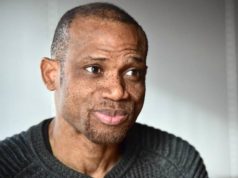

Former member of the Technical Committee of the Nigeria Football Federation (NFF), Barrister Austel Elumelu, has called for greater representation of stakeholders in the NFF Congress, insisting that expanding the body should form a major part of the ongoing reform process in Nigerian football.
Elumelu believes the current composition of the Congress does not adequately reflect the broad spectrum of interests within Nigerian football and argues that the proposed reforms provide an opportunity to address the imbalance.
Read Also: Babangida: NFF Reform Must Give Players a Voice in Football Administration | Sports247 Nigeria
Elumelu stressed that the time has come for the NFF Congress to become more inclusive by creating room for groups and stakeholders whose voices have not been sufficiently represented in the country’s football administration.
“The poor representation of other stakeholders in the NFF Congress should be addressed as a major part of the proposed comprehensive reforms.”
According to the former Technical Committee member, Nigerian football can only achieve meaningful progress when those directly involved in the development and running of the sport have an opportunity to participate in important decisions affecting its future.
He therefore called for the expansion of the Congress to accommodate more underrepresented stakeholders, arguing that such a move would make the country’s football administration more representative and inclusive.
“The time has come for the body to be expanded to accommodate other underrepresented groups in the Congress.”
Elumelu also welcomed the fact that the reform process is taking place at a critical moment for Nigerian football, describing the current situation as an opportunity to address longstanding structural issues.
However, he cautioned against rushing the process simply because there is widespread demand for change.
For him, the quality and sustainability of the reforms should take precedence over speed, with stakeholders required to carefully examine the existing structures before introducing new ones.
“The need for reforms could not have happened at a better time.”
He further urged everyone involved in the process to exercise patience and allow adequate consultations to take place before final decisions are made.
“We should not hurry the process, but ensure things are done the right way.”
His position adds to the growing calls for broader stakeholder participation as Nigerian football enters a new administrative phase.
With discussions around the future structure of the NFF gathering momentum, issues such as representation, governance and the composition of the Congress are expected to remain central to the reform debate.
For Elumelu, the opportunity is bigger than replacing individuals. It is about creating a football administration in which the different components of the Nigerian game have a meaningful voice.
The message from Elumelu is clear: if Nigeria truly wants to reform its football, the Congress must not simply be rearranged — it must become more representative of the football community it is expected to serve.