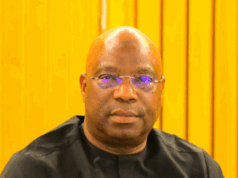
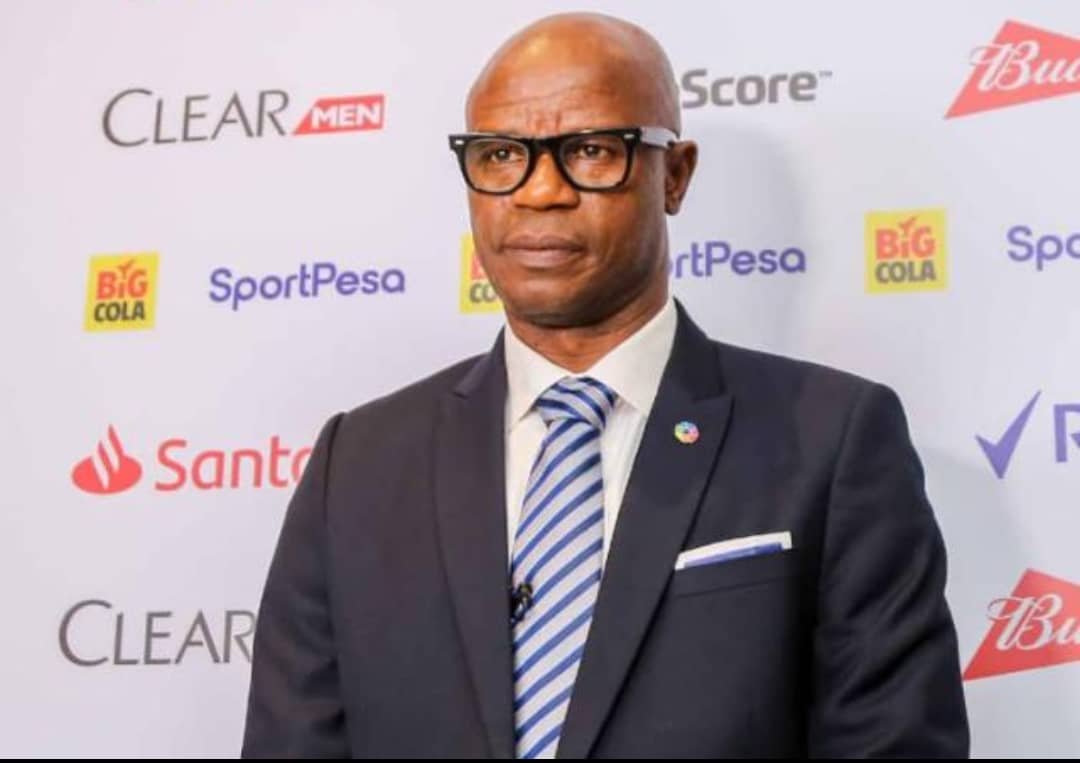
Former Super Eagles midfielder Mutiu Adepoju has thrown his weight behind the growing call for former Nigerian internationals to play a greater role in the administration of the country’s football, arguing that ex-professionals possess the experience and understanding required to help reposition the game.
Adepoju’s comments come at a critical moment for Nigerian football, with the Nigeria Football Federation undergoing a period of intense scrutiny following a string of disappointing results by the national teams and the resignation of the previous NFF board.
The former international believes the next phase of Nigerian football administration should create room for people who have experienced the game at the highest level to contribute directly to decision-making.
According to Adepoju, former players have seen the game from the inside and therefore understand many of the challenges confronting Nigerian football.
His position comes amid wider calls for fundamental reforms of the NFF, with stakeholders increasingly demanding a more professional, transparent and football-focused administration.
Adepoju said former internationals should be given the opportunity to bring their knowledge and experience to the running of the federation, rather than remaining on the sidelines once their playing careers are over.
The development is particularly significant given that Adepoju himself has recently been involved in the ongoing assessment of Nigerian football. He was appointed as a member of the NFF fact-finding committee constituted to investigate the country’s recent poor performances and identify the root causes of the problems affecting the national teams.
The committee, chaired by former NFF General Secretary Fanny Amun, also includes former Super Falcons captain Desire Oparanozie, former Nigeria U-20 coach Ladan Bosso and former FIFA referee Alex Mana.
Adepoju’s call therefore comes against the backdrop of an administration facing serious questions about the direction of Nigerian football.
The Super Eagles have missed the last two FIFA World Cup tournaments, while the Super Falcons recently suffered a historic failure to qualify for the 2027 FIFA Women’s World Cup after their disappointing WAFCON campaign and subsequent playoff defeat to South Africa.
For Adepoju, however, the solution should not simply be another change of personnel. What is required is a system that gives people with genuine football knowledge an opportunity to contribute to the development and administration of the sport.
His position also echoes a broader argument currently gaining momentum among former internationals and other stakeholders that football experience should have a stronger place in the leadership of the NFF.
Former Super Eagles player Harrison Jalla, for example, recently argued that qualified former footballers should no longer be excluded from major decision-making roles, while stressing that playing experience alone should not automatically qualify anyone for the NFF presidency.
That distinction is important.
Adepoju’s position is not simply about replacing administrators with former players. Rather, it highlights the need to combine football knowledge with administrative competence, credibility and the ability to build a modern football organisation.
With the NFF expected to undergo significant changes ahead of its next leadership phase, the debate over who should steer Nigerian football has taken on renewed importance.
Adepoju, who represented Nigeria at major international tournaments and was part of the generation that won the 1994 Africa Cup of Nations, believes former internationals have a role to play in shaping the next chapter.
For Nigerian football, the question now is no longer whether former players should have a voice in administration, but how their experience can be properly integrated into a professional and accountable system capable of delivering lasting results.
The reform process provides an opportunity to answer that question — and Adepoju wants former internationals to be part of the conversation.