
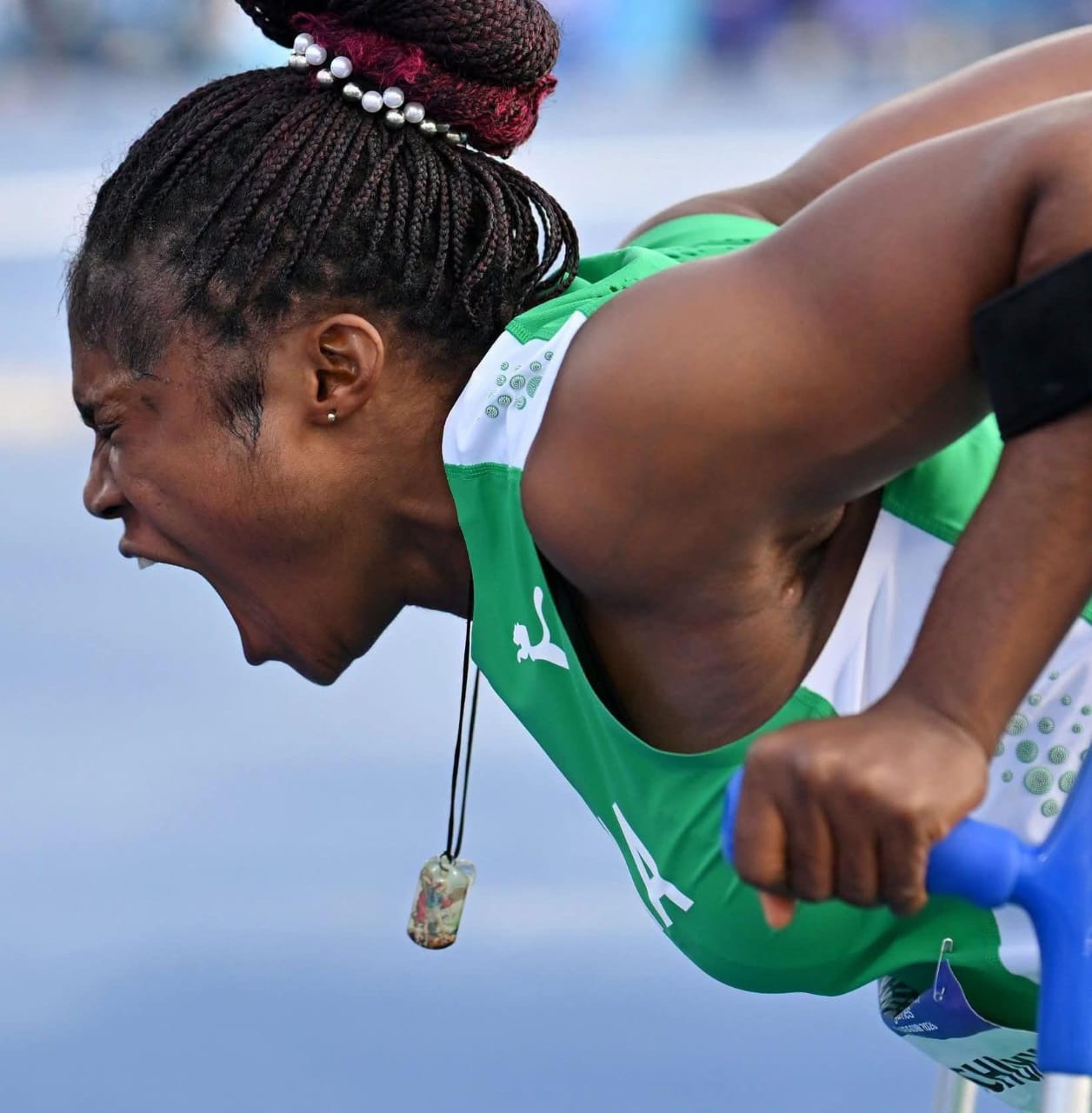
Lekan Soetan, an executive member of the Athletics Federation of Nigeria (AFN) representing the South-West Zone on the board, has described Team Nigeria’s performance at the Glasgow 2026 Commonwealth Games as excellent, while insisting that the country had the potential to win even more gold medals.
Speaking exclusively to Sports247, Soetan rated Nigeria’s overall performance at 8.5 out of 10, describing the campaign as “very successful” but emphasising that it was not perfect.
Nigeria finished the Games as Africa’s highest-ranked nation, returning home with 10 gold, seven silver and seven bronze medals.
However, Soetan believes the medal haul must be assessed within the context of the significantly reduced Glasgow programme, which featured only 10 sports, compared with 19 at the Birmingham 2022 Commonwealth Games.
“I assess that Team Nigeria had a very successful Commonwealth Games, but not a perfect one,” Soetan said.
He commended the performances of Nigeria’s athletes, particularly in athletics, weightlifting and para powerlifting, while noting several historic milestones achieved during the Games.
Nigeria secured its first-ever Commonwealth gold medal in the men’s 400m, through Samuel Ogazi, while the country also claimed its first Commonwealth men’s shot put gold. Nigeria additionally won its first women’s high jump medal at the Games.
Despite those landmark achievements, Soetan believes Nigeria left some medals on the table.
“I don’t believe Nigeria fully maximized its medal potential,” he said.
The AFN board member identified the men’s 100m, women’s 100m hurdles and mixed 4x400m relay among the events where Nigeria had realistic opportunities to challenge for gold.
He also called for an objective review of some technical decisions, particularly in the areas of relay selection, athlete management and competition planning.
Asked whether he was completely satisfied with Team Nigeria’s performance, Soetan offered a candid assessment.
“It’s a yes and no for me,” he began.
“Yes, I am satisfied because Nigeria remained Africa’s No. 1 nation, won 10 gold medals in a significantly reduced Games programme and recorded several historic achievements.
“No, because I believe the team was capable of winning a few more gold medals if every opportunity had been fully optimised.”
For Soetan, the significance of Glasgow should therefore extend beyond celebrating the medals Nigeria won. He believes equal attention must be given to identifying the opportunities that were missed.
“High-performance sport should never be evaluated only by celebrating medals won. It should also examine the medals that were within reach but escaped,” he said.
With the lessons from Glasgow now providing valuable insight, Soetan believes Nigeria can use the experience to strengthen its preparations and improve its medal prospects ahead of the Los Angeles 2028 Olympic Games.






 representing the South-West Zone on the board)