
Every time reforms are proposed in Nigerian football, the first reaction from many stakeholders is resistance.
“We’ve been doing it this way.”
“It won’t work.”
“This is Nigeria.”
But perhaps the more important question is this:
Have we truly been running a professional football league?
If the answer is yes, then why are our clubs struggling financially? Why are sponsors reluctant to invest billions? Why do broadcasters pay peanuts compared to other African leagues? Why are our best players leaving the NPFL for leagues that pay as little as $800 to $1,500 per month?
The uncomfortable truth is that playing football professionally is different from operating a professional football league.
That distinction is what many critics are missing.
What Makes A League Professional?
Around the world, FIFA and CAF define professionalism beyond what happens on the pitch. A professional league is built on five pillars:
Strong governance and administration.
Financial sustainability.
Club licensing and legal compliance.
Commercial development.
Infrastructure and player welfare.
These are not optional recommendations. They are internationally recognised standards that every serious football nation is expected to implement.
Football Is An Industry Before It Is A Sport
The Premier League in England is not worth billions simply because the football is entertaining.
It is worth billions because it is an organised commercial product.
Sponsors buy value.
Broadcasters buy audiences.
Fans buy experiences.
Investors buy confidence.
Professional football today is driven by media rights, sponsorship, merchandising, digital engagement, ticketing, licensing, data, hospitality and commercial partnerships—not gate fees alone.
This is exactly why South Africa’s PSL continues attracting major sponsors while Morocco, Egypt and Tanzania continue increasing investment in their domestic leagues.
The football did not suddenly improve overnight.
The business around the football improved.
The Biggest Problem In Nigeria Is Not Money
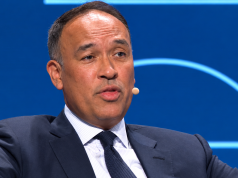
This is where the Director-General of the National Sports Commission, Bukola Olopade, deserves serious attention.
His argument is simple.
The money already exists.
He points to the National Sports Festival, where the 2025 edition attracted about ₦5 billion in private-sector support, while preparations for Enugu 2026 have already surpassed ₦7 billion in sponsorship commitments.
Road races now attract corporate backing worth billions.
Private companies continue funding athlete grants.
The National Intermediate Games is already attracting commercial interest.
If these sporting events can secure private investment, why should Nigeria’s biggest sport struggle to attract ₦10 billion annually?
That question deserves an honest answer.
Investors Do Not Invest In Emotion
Many Nigerians assume companies sponsor football because they love football.
That is false.
Companies sponsor football because it creates measurable business value.
Before investing, they ask:
How many people watch the league?
How many attend matches?
What television audience exists?
What digital audience exists?
Can we measure return on investment?
Are clubs financially stable?
Will our brand be protected?
Is governance transparent?
Will the season finish on schedule?
These are business questions—not football questions.
The Role Everyone Must Play
The National Sports Commission
Its responsibility is policy direction, reforms, commercial positioning and ensuring sports become economically viable.
The Nigeria Football Federation
The NFF provides regulatory oversight, enforces football regulations and ensures compliance with FIFA and CAF standards.
The NPFL
The league must become a commercial rights holder rather than simply a competition organiser.
Its responsibilities include:
Selling broadcast rights.
Growing sponsorship revenue.
Protecting the league brand.
Improving match-day experience.
Marketing the competition.
Increasing television and digital audiences.
Enforcing league regulations.
The Clubs
This is where the biggest transformation must happen.
A professional club is a business.
Every club should have:
A Chief Executive Officer.
Marketing and commercial department.
Finance department.
Media and communications team.
Legal department.
Youth development programme.
Medical unit.
Functional academy.
Digital media strategy.
Corporate governance structure.
CAF’s Club Licensing Regulations require clubs to meet sporting, infrastructure, administrative, legal and financial standards before participating in elite competitions.
Why Nigerian Players Continue Leaving
This is another uncomfortable conversation.
Many fans complain when players leave Nigeria for Rwanda, Tanzania, Zambia, Sudan or Ethiopia.
But look deeper.
Players are not only chasing salaries.
They are chasing stability.
They want contracts that are honoured.
They want quality pitches.
They want organised competitions.
They want medical insurance.
They want reliable travel arrangements.
They want clubs that function professionally.
Ironically, many Nigerian players leave for leagues paying around $1,000 monthly because those leagues often provide certainty, better organisation and career progression.
Professionalism is itself a form of value.
Reform Is Never Comfortable
Every successful football nation has gone through reforms.
England restructured its league in 1992.
Morocco invested heavily in club licensing and infrastructure.
South Africa commercialised its domestic league.
Tanzania improved governance and attracted long-term sponsors.
None of these transformations happened without resistance.
Nigeria cannot expect different results while resisting change.
The Bottom Line
The debate should not be whether reforms are necessary.
The real debate is whether Nigeria wants to continue managing football as a sporting activity or finally build it into a sustainable multi-billion-naira industry.
The National Sports Commission has thrown down the challenge.
The NFF has a regulatory role.
The league has commercial responsibilities.
The clubs must embrace corporate governance.
Sponsors are watching.
Investors are watching.
Most importantly, millions of football-loving Nigerians are watching.
The opportunity is there.
The question is whether Nigerian football is finally ready to become the business it has the potential to be.