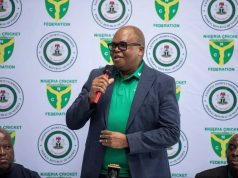
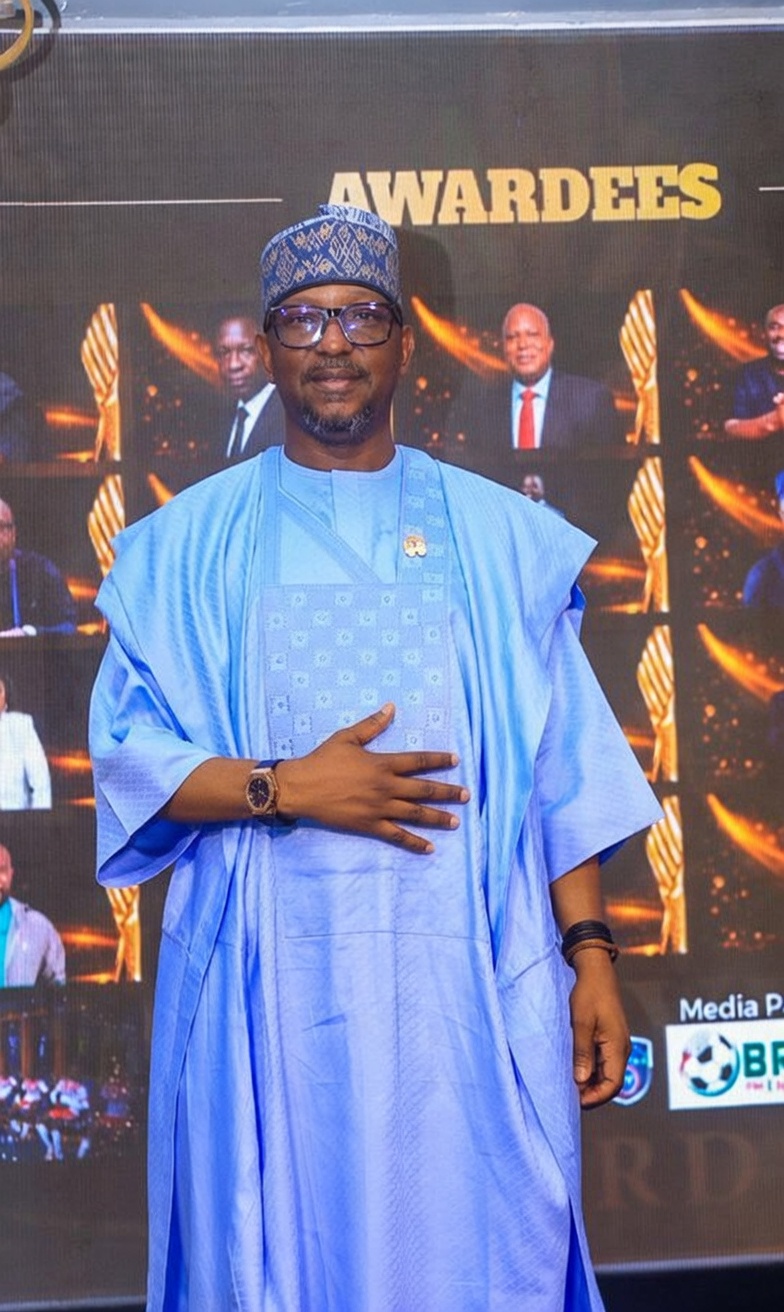
Chairman of the National Sports Commission Shehu Dikko has revealed that Nigeria’s 2026 sports budget is strategically designed to drive reforms, improve athlete welfare, and strengthen the country’s influence in international sports matters.
READ ALSO: From Coffee Shop Dream To World Cup Reality – Zakuani Reveals How Dr Congo Built A New Generation
Speaking on the new framework, Dikko emphasized that the budget goes beyond routine funding, focusing instead on long-term development and structural improvements.
“This is about reform,” he said, underlining the need for a more sustainable approach to sports administration in Nigeria.
One of the key highlights of the budget is the inclusion of provisions for retired athletes and coaches, a move aimed at addressing long-standing concerns about post-career welfare.
“We must take care of our own,” he implied, stressing that those who have represented the country deserve continued support.
In addition, Dikko introduced the concept of a “sports diplomacy” budget, designed to enhance Nigeria’s representation and effectiveness in international sports governance and disputes.
According to him, this initiative was partly inspired by Nigeria’s failed case against DR Congo, which he cited as an example of inadequate preparation and representation on the global stage.
“That outcome showed our weaknesses,” he admitted.
For Dikko, improving how Nigeria handles such cases is essential, not just for protecting national interests but also for maintaining credibility in international sports.
“We have to do better,” he stressed, highlighting the importance of expertise and strategic engagement.
The new budget, he believes, represents a shift in thinking, from reactive measures to proactive planning.
By investing in both people and systems, the NSC aims to create a more resilient and competitive sports environment.
For athletes, the changes could bring greater support and opportunities.
For Nigerian sports as a whole, it signals a commitment to reform and progress.
As implementation begins, attention will turn to results.
Because as Dikko’s plan suggests, success is not just about performance on the field.
It’s also about how well a nation positions itself off it.