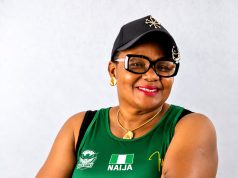
For Ese Lovina Ukpeseraye, the dream of representing Nigeria at the Olympic Games came at a cost far heavier than medals and results.
What should have been the crowning chapter of a pioneering career instead became the beginning of an emotional descent that ended in retirement.
READ ALSO: ITF J30 World Tennis Tour Is Very Big Progress For Nigeria – Amasiani Chukwudubem
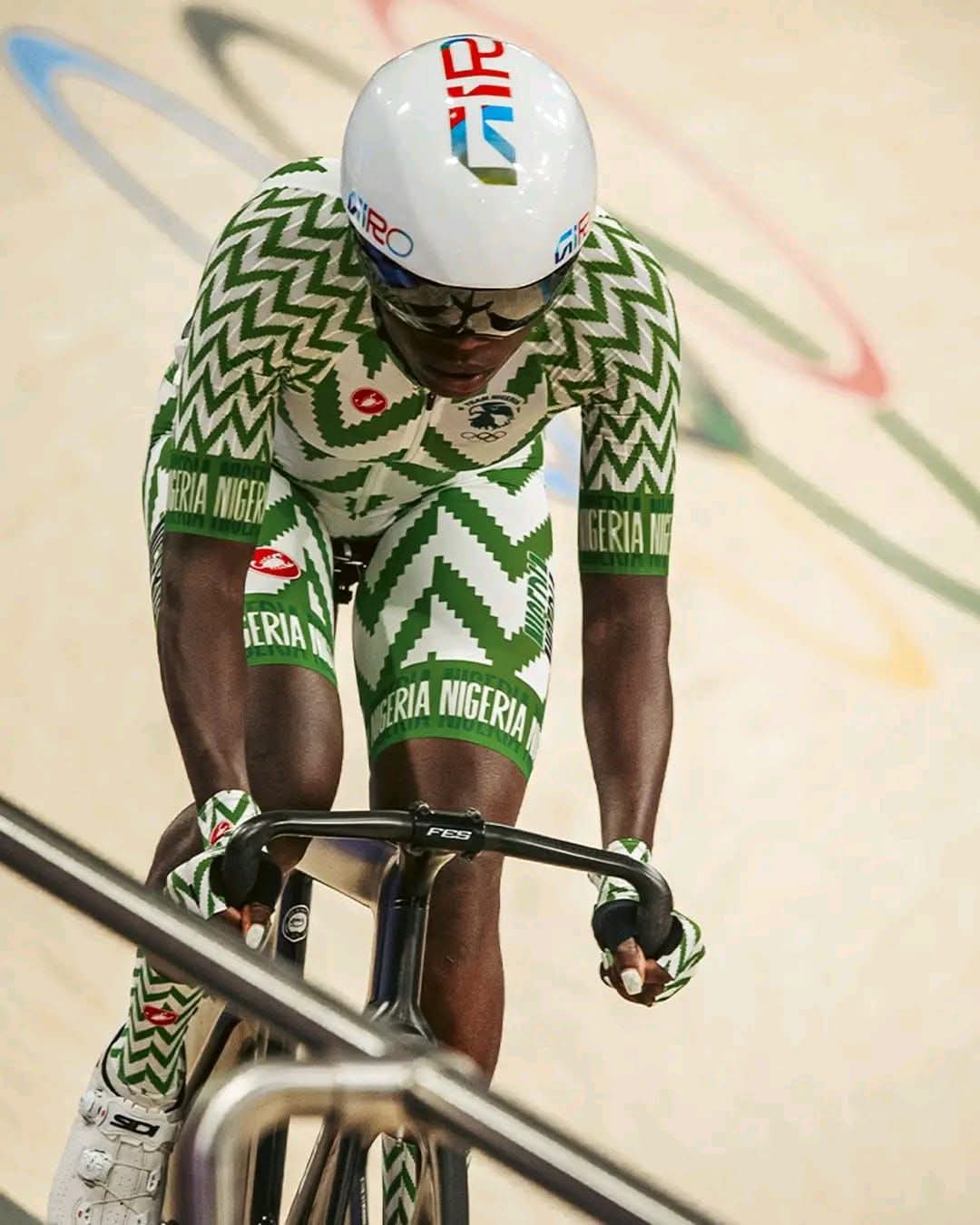
Ukpeseraye’s troubles, she says, began immediately after the Paris 2024 Olympic Games, where she made history as Nigeria’s first-ever Olympic cyclist.
Called up late to compete in track events, she arrived in France without the most basic requirement of her discipline—a track bicycle.
With no provision made by officials, salvation came from an unexpected place: the German team, which loaned her a bike so she could race.
The image of a Nigerian Olympian borrowing equipment from another country went viral, triggering global debate about sports administration in Nigeria.
While authorities described the situation as unavoidable due to late qualification and equipment logistics, Ukpeseraye maintained that no serious effort was made on her behalf.
Despite the chaos, she lined up on the track and competed with pride, finishing sixth in the Keirin first round.
But once the Games ended, she says the real punishment began.
“After the Olympics, the Federation deprived me of competitions I was supposed to attend,” she told Sports247 in an exclusive interview.
“The antics and theatrics were part of what prevented me from returning back to my club and blocked so many opportunities—simply because I refused to come out publicly to apologize to them. I believe they should be apologizing to me,” Ese emphasized.
According to Ukpeseraye, the fallout went beyond words. She alleges that allowances from her last international assignment were withheld, despite enduring difficult conditions throughout preparations.
One such episode was a pre-competition camp for the African Nations Cycling Championship in Egypt, where athletes reportedly received ₦3,000 for feeding per day with zero camp allowance.
Travel arrangements, she recalled, were equally harrowing.
“We had to go by road from Abuja to Lagos, sleep on bare floors at the Lagos airport, and wait endlessly to connect flights to Egypt,” she said.
The frustrations spilled into the public domain shortly after the Olympics. In a post on X (formerly Twitter), Ukpeseraye revealed she missed key events because officials failed to make travel arrangements.
“Unfortunately, those responsible for my travel arrangements did not fulfill their obligations. As a result, I am unable to defend my title,” she wrote.
“Despite being ranked number one in Africa, I could not attend the World Championships in Zurich or the African Championships in Kenya.”
For an athlete at the peak of her powers, the isolation was devastating.
Titles went undefended, rankings slipped, and opportunities vanished—not due to injury or loss of form, but because access was cut off.
By early 2026, the strain had become unbearable.
Ukpeseraye announced her retirement, citing sustained neglect, lack of funding, and emotional exhaustion brought on by her relationship with the Nigeria Cycling Federation.
“There are a lot of frustrating moments since after the Olympics that I don’t even want to talk about,” she said. “In order to save my life and live a stress-free life, I have to quit. At least the troubles are over” she told Sports247.
Her exit closes a historic chapter for Nigerian cycling—but leaves behind troubling questions.
How does a nation treat a trailblazer who carried its flag onto the Olympic track for the first time?
And what does her story say to the next generation dreaming of wearing green and white on the world’s biggest stage?
For Ese Ukpeseraye, the medals never came—but her legacy, forged in resilience and sacrifice, may yet force a reckoning.