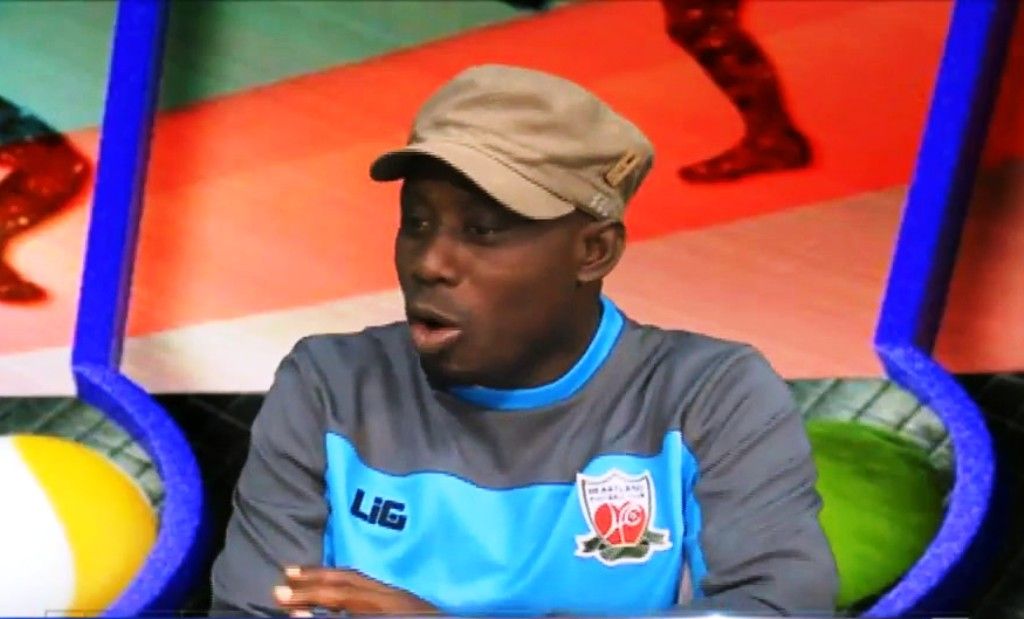
Former Nigeria international Mobi Okparaku has advised Nigerians to forget about World Cup qualification, insisting that ongoing efforts by the Nigeria Football Federation to seek redress through petitions will not change the country’s fortunes on the pitch.
READ ALSO: Leicester City Snap Up Joe Aribo on Season-Long Loan from Southampton
Speaking in a chat, Okparaku criticised the federation’s approach, accusing it of trying to cover up its own failures rather than accepting responsibility for Nigeria’s poor campaign. He argued that the lack of proper preparation and planning from the start of the qualifiers is the real reason the team fell short.
“This backyard thing, I don’t understand,” Okparaku said. “If we were ready from day one, we would have qualified. In fact, we would have been in the World Cup even before the qualifiers ended. But we always think we can manoeuvre our way to where we are not supposed to get.”
Okparaku was particularly dismissive of the federation’s petition involving the Democratic Republic of Congo, stressing that even a favourable verdict would not translate into success on the field.
“Even if we get a verdict in our favour, the team will not win any games,” he stated. “The problem is that we don’t prepare properly. We don’t put the right measures in place from the beginning, and then after everything goes wrong, we start looking for a back door.”
The former defender believes Nigeria must accept the situation and reset its focus toward long-term rebuilding rather than clinging to fading hopes.
“They should forget about the World Cup,” Okparaku said bluntly. “Nobody should be talking about World Cup now. We should come back to zero and focus on the next four years.”
Okparaku’s comments reflect growing frustration among former players and fans, many of whom believe Nigerian football needs structural reform, better planning, and sustained development rather than reactive measures when results fail to go as expected.