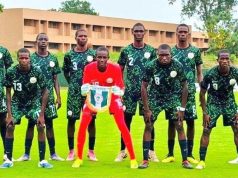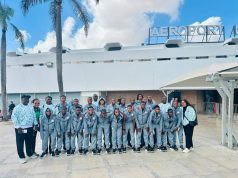
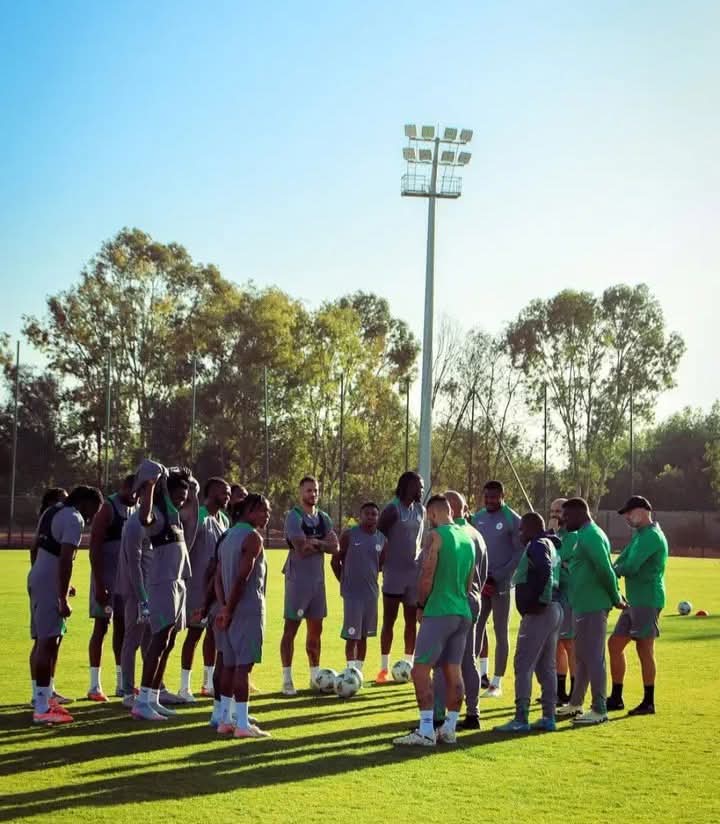
The situation in the Super Eagles’ camp has taken a dramatic turn just days before Nigeria’s crucial World Cup playoff against Gabon in Morocco. Reports emerging from Rabat suggest that players and technical staff have boycotted training over unpaid bonuses and allowances, plunging the team into yet another avoidable crisis.
But beyond the headlines and hashtags, a deeper question now haunts Nigerian football — who exactly is advising who, and why does it seem like chaos always arrives when unity is needed most?
Read Also: UNIJOS Women Bounce Back as UNIMAID Men Redeem Pride in NUGA Hockey Showdowns
Players argue they’ve been pushed to the wall. Sources inside the camp revealed that many are frustrated after years of broken promises. “They’ve waited, they’ve begged, and they’ve been patient,” said one insider. “But this time, they feel unheard.”
Yet, the timing of this protest couldn’t be worse. With the World Cup ticket just one game away, critics are asking if the players’ advisers truly have their best interests at heart. What happens if the strike derails Nigeria’s qualification chances? What message does this send to millions of fans already losing faith in their heroes?
A top sports analyst in Lagos captured the national mood succinctly:
“You can’t win the people’s support by punishing them. Pick up your boots, win the African ticket, and then come home to tell Nigerians the truth about what you’ve been going through. That is the right way. Not a boycott on the eve of history.”
Indeed, it’s difficult to defend the timing of this standoff. Passion must not become self-sabotage. The fans are not the enemy; they are the victims of a system that has failed everyone — from the players to the federation.
The truth is simple: Nigeria’s football crisis is no longer about skill or tactics. It is about trust — a commodity in dangerously short supply.
As the hours tick toward kickoff in Rabat, the real question is not whether Nigeria can beat Gabon. It is whether the Super Eagles can beat themselves.
And perhaps, the hardest lesson in all of this is that winning Africa’s World Cup ticket might be easier than fixing the deep mistrust between the players and those who lead them