
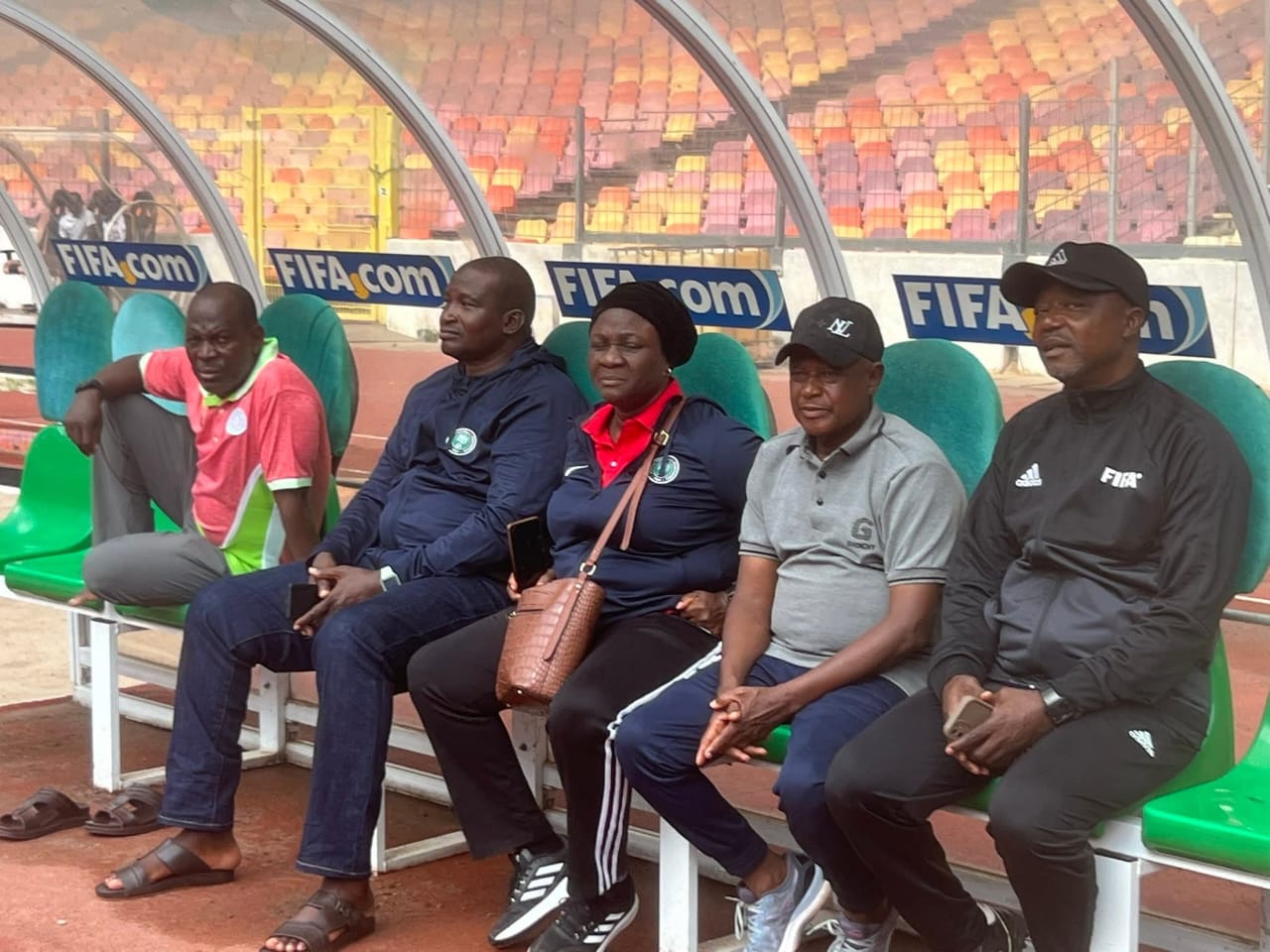
In modern football, winning isn’t just about skill it’s also about understanding the game inside out. One of the smartest moves a team can make is to bring former elite referees onto the technical bench.
Here’s why it’s a game-changer:
1. Expert Knowledge of the Laws of the Game
Former referees know the rules like the back of their hand. They can teach players and current officials how to avoid unnecessary fouls, penalties, and bookings, helping the team stay competitive and disciplined on the field.
Read Also: Emilokan Football Tournament Kicks Off in Agege: Ogba Ashade vs Oju Oja Opens the Games.
2. Insight into Match Management
Referees understand how games flow, when pressure builds, and how officials interpret certain situations. Their guidance can help players make smarter decisions, anticipate referee behavior, and reduce conflicts during matches.
3. Mentorship for Players and Officials
Beyond tactics, former referees provide mentorship. They help younger players understand the importance of fair play, discipline, and professionalism. They also support current referees or team officials, sharing lessons from years of elite experience.
4. Strategic Guidance
Having a referee on the bench adds a new perspective to in-game decisions. From positioning to set-piece strategies, their insight can improve team performance by ensuring players act within the rules while maximizing advantage.
5. Building Respect and Confidence
Players gain confidence when they understand what referees are looking for during matches. It also builds mutual respect between the team and match officials, which can reduce friction during critical games.
Here are some new rules from FIFA ahead of the new season as the International Football Association Board IFAB needed more explanation and practical approach to players ahead of the NPFL 2025/2026 season.
1. Captains Only’ approach
When the referee initiates “Captain Only”, IFAB states that only one player from each team – usually the captain – is allowed to approach the referee and, when doing so, they must always interact in a respectful manner.
2. Eight-second rule’ for goalkeepers
A corner kick is awarded if a goalkeeper, inside their penalty area, controls the ball with their hand(s)/arm(s) for more than eight seconds before releasing it.
A goalkeeper is in control when:
* holding the ball in hands/arms
* the ball is held between any surface
* holding the ball on an outstretched open hand(s)
* bouncing it on the ground
* throwing it in the air
The referee will decide when the goalkeeper has control of the ball and the eight seconds begin and will visually count down the last five seconds with a raised hand
3. Dropped ball restarts
If play is stopped with the ball inside the penalty area, this will mean a dropped ball to the goalkeeper to restart. If play is stopped with the ball outside the penalty area, there will be a dropped ball from the stopping point to the team who have or would have gained possession.
4. Double-touch penalties
An accidental double touch of a penalty by the kicker would mean that the spot-kick should be retaken. A deliberate touch will see an indirect free-kick awarded to the defending team.
More of this needed to be clarify and interpreted for the benefit of the team not to fall short to ignorance of the IFAB laws of the game.